Labor South Advisory Committee Members
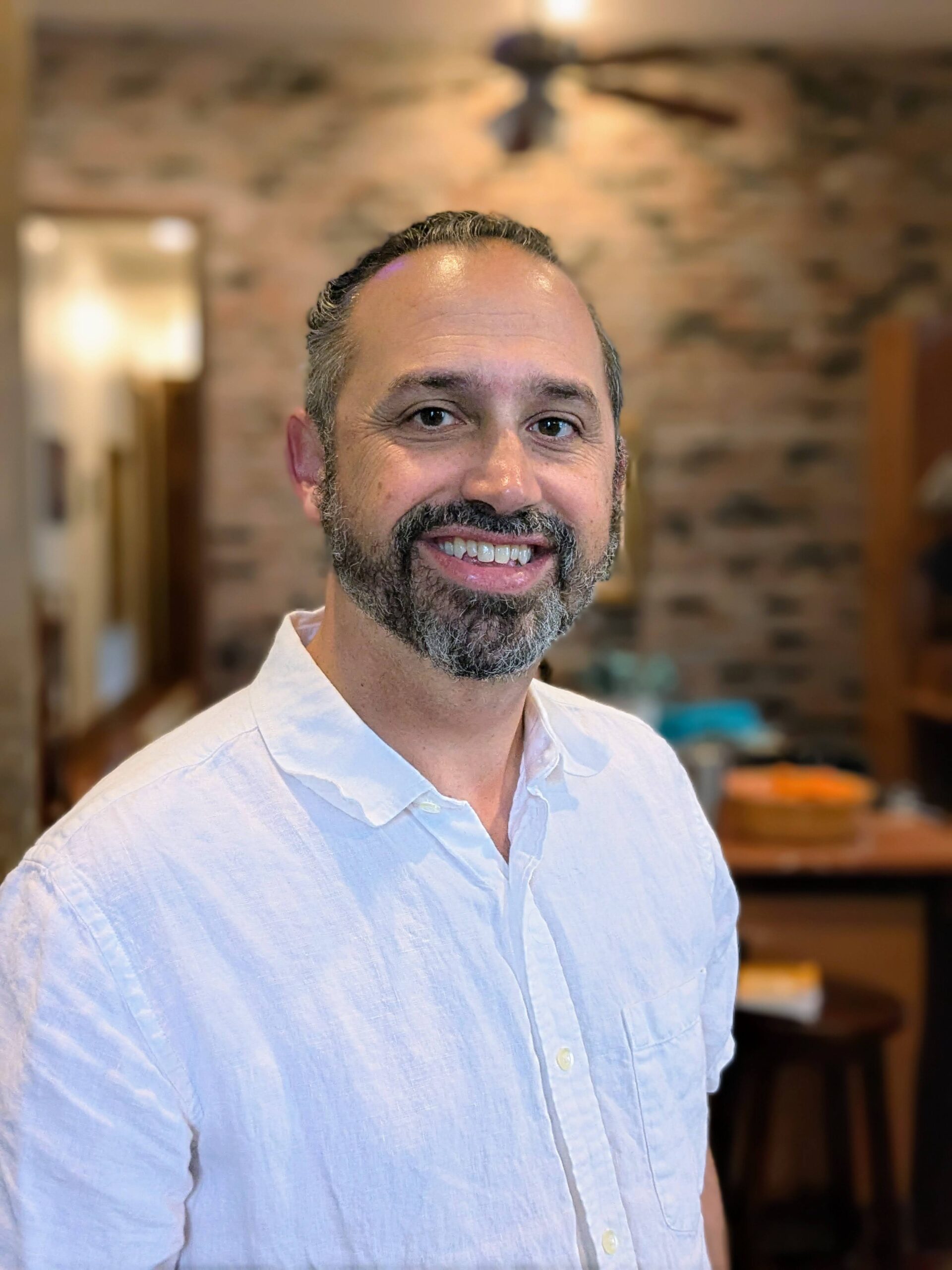
Max Krochmal es Profesor de Historia, Director de Estudios de Justicia y Profesor titular de Estudios Urbanos Comparativos de la República Checa en la Universidad de Nueva Orleans. Es miembro de la Junta Ejecutiva Local de United Campus Workers Southeast, CWA Local 3821, y delegado de la Greater New Orleans AFL-CIO. Recientemente, Krochmal fue co-creador de una exhibición de historia, llamada Don’t Stand Alone: Black Labor Organizing in
New Orleans [No te levantes solo: el trabajo organizativo negro en Nueva Orleans], y actualmente está lanzando el Laboratorio de Investigación de Justicia Económica en UNO.
Previo a eso, Krochmal pasó más de una década enseñando, investigando, y realizando trabajo organizativo en Texas. Su primer libro, Blue Texas: The Making of a Multiracial Democratic Coalition in the Civil Rights Era (University of North Carolina Press) [Texas Azul: La Formación de una Coalición Democrática Multirracial en la Era de los Derechos Civiles (imprenta de la Universidad de Carolina del Norte)], ganó el premio Frederick Jackson Turner de la OAH, Premio NACCS Tejas Foco al mejor libro de no ficción y otros galardones. Es el coeditor de Civil Rights in Black and Brown: Histories of Resistance and Struggle in Texas (University of Texas Press) [Derechos Civiles en Negro y de Color: Historias de Resistencia y Lucha en Texas (imprenta de la Universidad de Texas)], ganador del premio literario de Oral History Association, y lideró el esfuerzo en colaboración para realizar las 530 entrevistas que sustentan el volumen. En colaboración con sus colegas y el Distrito Escolar Independiente de Fort Worth, Krochmal fue coautor de Latinx Studies Curriculum in K-12 Schools: A Practical Guide (TCU Press) [Currículo de Estudios Latines en Escuelas K-12: Una guía práctica (TCU Press)]. En 2023, Krochmal fue admitido como testigo experto en materia de derecho al voto en el tribunal federal de los Estados Unidos en el caso Petteway versus el Condado de Galveston.
La beca de Krochmal ha sido financiada por el Fondo Nacional para las Humanidades, una beca Fulbright-García Robles en México, el Centro Clements para Estudios del Suroeste y, más recientemente, la Fundación Andrew W. Mellon. Es profesor distinguido de la OAH y expresidente de la Asociación de Estudios Laborales del Sur. Antes de convertirse en profesor, Krochmal fue organizador del Sindicato Internacional de Empleados de Servicio y entre los trabajadores bananeros en Ecuador.
Max Krochmal es Profesor de Historia, Director de Estudios de Justicia y Profesor titular de Estudios Urbanos Comparativos de la República Checa en la Universidad de Nueva Orleans. Es miembro de la Junta Ejecutiva Local de United Campus Workers Southeast, CWA Local 3821, y delegado de la Greater New Orleans AFL-CIO. Recientemente, Krochmal fue co-creador de una exhibición de historia, llamada Don’t Stand Alone: Black Labor Organizing in
New Orleans [No te levantes solo: el trabajo organizativo negro en Nueva Orleans], y actualmente está lanzando el Laboratorio de Investigación de Justicia Económica en UNO.
Previo a eso, Krochmal pasó más de una década enseñando, investigando, y realizando trabajo organizativo en Texas. Su primer libro, Blue Texas: The Making of a Multiracial Democratic Coalition in the Civil Rights Era (University of North Carolina Press) [Texas Azul: La Formación de una Coalición Democrática Multirracial en la Era de los Derechos Civiles (imprenta de la Universidad de Carolina del Norte)], ganó el premio Frederick Jackson Turner de la OAH, Premio NACCS Tejas Foco al mejor libro de no ficción y otros galardones. Es el coeditor de Civil Rights in Black and Brown: Histories of Resistance and Struggle in Texas (University of Texas Press) [Derechos Civiles en Negro y de Color: Historias de Resistencia y Lucha en Texas (imprenta de la Universidad de Texas)], ganador del premio literario de Oral History Association, y lideró el esfuerzo en colaboración para realizar las 530 entrevistas que sustentan el volumen. En colaboración con sus colegas y el Distrito Escolar Independiente de Fort Worth, Krochmal fue coautor de Latinx Studies Curriculum in K-12 Schools: A Practical Guide (TCU Press) [Currículo de Estudios Latines en Escuelas K-12: Una guía práctica (TCU Press)]. En 2023, Krochmal fue admitido como testigo experto en materia de derecho al voto en el tribunal federal de los Estados Unidos en el caso Petteway versus el Condado de Galveston.
La beca de Krochmal ha sido financiada por el Fondo Nacional para las Humanidades, una beca Fulbright-García Robles en México, el Centro Clements para Estudios del Suroeste y, más recientemente, la Fundación Andrew W. Mellon. Es profesor distinguido de la OAH y expresidente de la Asociación de Estudios Laborales del Sur. Antes de convertirse en profesor, Krochmal fue organizador del Sindicato Internacional de Empleados de Servicio y entre los trabajadores bananeros en Ecuador.
Max Krochmal is Professor of History, Director of Justice Studies, and the Czech Republic Endowed Professor in Comparative Urban Studies at the University of New Orleans. He is a member of the Local Executive Board of the United Campus Workers Southeast, CWA Local 3821, and a delegate to the Greater New Orleans AFL-CIO. Krochmal recently co-created a traveling public history exhibition, Don’t Stand Alone: Black Labor Organizing in New Orleans, and he is now launching the Economic Justice Research Lab at UNO.
Previously, Krochmal spent more than a decade teaching, researching, and organizing in Texas. His first book, Blue Texas: The Making of a Multiracial Democratic Coalition in the Civil Rights Era (University of North Carolina Press) won the OAH’s Frederick Jackson Turner Award, the NACCS Tejas Foco Non-Fiction Book Award, and other prizes. He is the co-editor of Civil Rights in Black and Brown: Histories of Resistance and Struggle in Texas (University of Texas Press), winner of the Oral History Association Book Award, and he led the collaborative effort to conduct the 530 interviews that undergird the volume. In partnership with colleagues and the Fort Worth Independent School District Krochmal, Krochmal co-authored Latinx Studies Curriculum in K-12 Schools: A Practical Guide (TCU Press). In 2023, Krochmal was admitted as an expert witness on Voting Rights in U.S. federal court in Petteway v. Galveston County.
Krochmal’s scholarship has been supported by the National Endowment for the Humanities, a Fulbright-García Robles Fellowship in Mexico, the Clements Center for Southwest Studies, and, most recently, the Andrew W. Mellon Foundation. He is an OAH Distinguished Lecturer and the Past President of the Southern Labor Studies Association. Before becoming a professor, Krochmal was an organizer with the Service Employees International Union and among banana workers in Ecuador.
Max Krochmal is Professor of History, Director of Justice Studies, and the Czech Republic Endowed Professor in Comparative Urban Studies at the University of New Orleans. He is a member of the Local Executive Board of the United Campus Workers Southeast, CWA Local 3821, and a delegate to the Greater New Orleans AFL-CIO. Krochmal recently co-created a traveling public history exhibition, Don’t Stand Alone: Black Labor Organizing in New Orleans, and he is now launching the Economic Justice Research Lab at UNO.
Previously, Krochmal spent more than a decade teaching, researching, and organizing in Texas. His first book, Blue Texas: The Making of a Multiracial Democratic Coalition in the Civil Rights Era (University of North Carolina Press) won the OAH’s Frederick Jackson Turner Award, the NACCS Tejas Foco Non-Fiction Book Award, and other prizes. He is the co-editor of Civil Rights in Black and Brown: Histories of Resistance and Struggle in Texas (University of Texas Press), winner of the Oral History Association Book Award, and he led the collaborative effort to conduct the 530 interviews that undergird the volume. In partnership with colleagues and the Fort Worth Independent School District Krochmal, Krochmal co-authored Latinx Studies Curriculum in K-12 Schools: A Practical Guide (TCU Press). In 2023, Krochmal was admitted as an expert witness on Voting Rights in U.S. federal court in Petteway v. Galveston County.
Krochmal’s scholarship has been supported by the National Endowment for the Humanities, a Fulbright-García Robles Fellowship in Mexico, the Clements Center for Southwest Studies, and, most recently, the Andrew W. Mellon Foundation. He is an OAH Distinguished Lecturer and the Past President of the Southern Labor Studies Association. Before becoming a professor, Krochmal was an organizer with the Service Employees International Union and among banana workers in Ecuador.
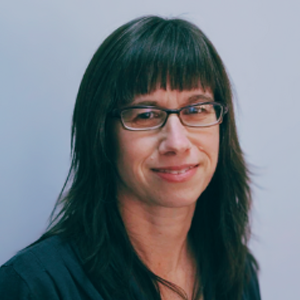
Melinda Wiggins es originaria de la región delta de Mississippi, donde aún reside su familia. Ella creció en una comunidad segregada de clase trabajadora y es hija y nieta de aparceros. Melinda fue la primera en su familia en graduarse de la universidad. Estudió ciencias políticas e historia en la Universidad Millsaps, en donde comenzó a explorar el movimiento de los derechos civiles en el Sur de EE. UU., participó activamente en el movimiento anti-apartheid en el campus, y trabajó con el comité legislativo de MS PEER ayudando a redibujar las líneas distritales en la región delta del Mississippi. Melinda se mudó a Durham, Carolina del Norte para estudiar en Duke Divinity School, en donde se concentró en estudios de liberación y teología feminista.
Melinda se involucró con Estudiantes en Acción con Campesinos como pasante y se desempeñó como directora ejecutiva y de programas. A través de sus casi 30 años en Estudiantes en Acción con Campesinos, Melinda lideró y apoyó los esfuerzos para crear comunidades de aprendizaje para les jóvenes interesades en derechos de les trabajadores, moderó alianzas entre les obreres y la comunidad, construyó mayor apoyo para la equidad dentro del sector sin fines de lucro, y educó al sector de filantropía acerca de la necesidad de apoyar a les trabajadores agrícolas en el sur. En marzo de 2012, ella fue honrada por la Casa Blanca de Obama y recibió el Premio César Chavez Defensores del Cambio. Melinda ayudó a iniciar dos coaliciones claves a nivel estatal en Carolina del Norte: Adelante Education Coalition [Coalición Educativa Adelante], y la Red Defensora de Trabajadores Agrícolas. Fue la coeditora de The Human Cost of Food, Farmworkers’ Lives, Labor, and Advocacy [El costo humano de la comida, la vida de los trabajadores agrícolas y la defensoría] Mientras estuvo en SAF, Melinda participó en una cantidad de esfuerzos de trabajo organizativo comunitario y de trabajadores, incluyendo con Wake Forest School of Medicine Center for Worker Health; STITCH, un grupo que fomentó la solidaridad entre las mujeres trabajadoras en los EE. UU. y en Centroamérica; y con Windcall Institute, un programa de residencia de justicia social.
Después de hacer la transición de SAF, Melinda trabajó con el Fondo de Innovaciones Laborales para el Siglo XXI (LIFT) como directora de estrategia y operaciones durante tres años. Mientras estuvo en LIFT, ella pudo conectar con centros de trabajadores y sindicatos de trabajadores alrededor del sur de EE. UU. y alrededor del país. Formó parte del lanzamiento del Fondo de Oportunidades para Trabajadores del Sur de LIFT y la concesión de subvenciones de Imperial Valley, la creación de apoyos claves, capacitaciones, entrenamiento, y descanso para les beneficiaries, y el desarrollo de las capacidades internas de LIFT, el personal, las políticas, la recaudación de fondos y la gestión financiera. Actualmente brinda servicio en la junta de la Red de Proveedores de Servicios de Salud para Migrantes y participa en la Campaña para Acabar con el Trabajo Infantil de EE. UU. Melinda continúa viviendo en Durham con su pareja, Dave, y su gato Cocoa.
Melinda Wiggins es originaria de la región delta de Mississippi, donde aún reside su familia. Ella creció en una comunidad segregada de clase trabajadora y es hija y nieta de aparceros. Melinda fue la primera en su familia en graduarse de la universidad. Estudió ciencias políticas e historia en la Universidad Millsaps, en donde comenzó a explorar el movimiento de los derechos civiles en el Sur de EE. UU., participó activamente en el movimiento anti-apartheid en el campus, y trabajó con el comité legislativo de MS PEER ayudando a redibujar las líneas distritales en la región delta del Mississippi. Melinda se mudó a Durham, Carolina del Norte para estudiar en Duke Divinity School, en donde se concentró en estudios de liberación y teología feminista.
Melinda se involucró con Estudiantes en Acción con Campesinos como pasante y se desempeñó como directora ejecutiva y de programas. A través de sus casi 30 años en Estudiantes en Acción con Campesinos, Melinda lideró y apoyó los esfuerzos para crear comunidades de aprendizaje para les jóvenes interesades en derechos de les trabajadores, moderó alianzas entre les obreres y la comunidad, construyó mayor apoyo para la equidad dentro del sector sin fines de lucro, y educó al sector de filantropía acerca de la necesidad de apoyar a les trabajadores agrícolas en el sur. En marzo de 2012, ella fue honrada por la Casa Blanca de Obama y recibió el Premio César Chavez Defensores del Cambio. Melinda ayudó a iniciar dos coaliciones claves a nivel estatal en Carolina del Norte: Adelante Education Coalition [Coalición Educativa Adelante], y la Red Defensora de Trabajadores Agrícolas. Fue la coeditora de The Human Cost of Food, Farmworkers’ Lives, Labor, and Advocacy [El costo humano de la comida, la vida de los trabajadores agrícolas y la defensoría] Mientras estuvo en SAF, Melinda participó en una cantidad de esfuerzos de trabajo organizativo comunitario y de trabajadores, incluyendo con Wake Forest School of Medicine Center for Worker Health; STITCH, un grupo que fomentó la solidaridad entre las mujeres trabajadoras en los EE. UU. y en Centroamérica; y con Windcall Institute, un programa de residencia de justicia social.
Después de hacer la transición de SAF, Melinda trabajó con el Fondo de Innovaciones Laborales para el Siglo XXI (LIFT) como directora de estrategia y operaciones durante tres años. Mientras estuvo en LIFT, ella pudo conectar con centros de trabajadores y sindicatos de trabajadores alrededor del sur de EE. UU. y alrededor del país. Formó parte del lanzamiento del Fondo de Oportunidades para Trabajadores del Sur de LIFT y la concesión de subvenciones de Imperial Valley, la creación de apoyos claves, capacitaciones, entrenamiento, y descanso para les beneficiaries, y el desarrollo de las capacidades internas de LIFT, el personal, las políticas, la recaudación de fondos y la gestión financiera. Actualmente brinda servicio en la junta de la Red de Proveedores de Servicios de Salud para Migrantes y participa en la Campaña para Acabar con el Trabajo Infantil de EE. UU. Melinda continúa viviendo en Durham con su pareja, Dave, y su gato Cocoa.
Melinda Wiggins is originally from the Mississippi Delta, where her family still resides. She grew up in a segregated working class community and is the daughter and granddaughter of sharecroppers. Melinda was the first in her family to graduate from college. She studied political science and history at Millsaps College, where she began exploring the civil rights movement in the US South, was active with the anti-apartheid movement on campus, and worked with the MS PEER legislative committee helping to redraw district lines in the Mississippi Delta. Melinda moved to Durham, North Carolina to study at Duke Divinity School, where she focused on liberation and feminist theology.
Melinda got involved with Student Action with Farmworkers as an intern and served as the Program Director and then Executive Director. Through her nearly 30 years at SAF, Melinda led and supported efforts to create learning communities for young people interested in workers’ rights, facilitated community-labor alliances, built greater support for equity within the nonprofit sector, and educated philanthropy about the need to support agricultural workers in the South. In March 2012, she was honored by the Obama White House as a recipient of the “Cesar Chavez Champion of Change” award. Melinda helped initiate two key statewide coalitions in North Carolina–the Adelante Education Coalition and the Farmworker Advocacy Network—focused on immigrant and farmworker rights. She co-edited The Human Cost of Food, Farmworkers’ Lives, Labor, and Advocacy. While at SAF, Melinda was engaged with a number of community and worker organizing efforts, including Wake Forest School of Medicine Center for Worker Health; STITCH, a group that built solidarity between women workers in the US and in Central America; and Windcall Institute, a social justice residency program.
After transitioning from SAF, Melinda worked with the Labor Innovations for the 21st Center (LIFT) Fund as the Director of Strategy and Operations for three years. While at LIFT, she was able to connect with worker centers and labor unions throughout the US South and across the country. She was a part of LIFT’s launch of the Southern Workers Opportunity Fund and Imperial Valley grantmaking, the creation of grantee support programs that incorporated training, coaching, and rest, and the development of LIFT’s internal capacity, staffing, policies, fundraising, and financial management. She currently serves on the board of Migrant Clinicians Network and participates in the US Campaign to End Child Labor. Melinda continues to live in Durham with her partner Dave and cat Cocoa.
Melinda Wiggins is originally from the Mississippi Delta, where her family still resides. She grew up in a segregated working class community and is the daughter and granddaughter of sharecroppers. Melinda was the first in her family to graduate from college. She studied political science and history at Millsaps College, where she began exploring the civil rights movement in the US South, was active with the anti-apartheid movement on campus, and worked with the MS PEER legislative committee helping to redraw district lines in the Mississippi Delta. Melinda moved to Durham, North Carolina to study at Duke Divinity School, where she focused on liberation and feminist theology.
Melinda got involved with Student Action with Farmworkers as an intern and served as the Program Director and then Executive Director. Through her nearly 30 years at SAF, Melinda led and supported efforts to create learning communities for young people interested in workers’ rights, facilitated community-labor alliances, built greater support for equity within the nonprofit sector, and educated philanthropy about the need to support agricultural workers in the South. In March 2012, she was honored by the Obama White House as a recipient of the “Cesar Chavez Champion of Change” award. Melinda helped initiate two key statewide coalitions in North Carolina–the Adelante Education Coalition and the Farmworker Advocacy Network—focused on immigrant and farmworker rights. She co-edited The Human Cost of Food, Farmworkers’ Lives, Labor, and Advocacy. While at SAF, Melinda was engaged with a number of community and worker organizing efforts, including Wake Forest School of Medicine Center for Worker Health; STITCH, a group that built solidarity between women workers in the US and in Central America; and Windcall Institute, a social justice residency program.
After transitioning from SAF, Melinda worked with the Labor Innovations for the 21st Center (LIFT) Fund as the Director of Strategy and Operations for three years. While at LIFT, she was able to connect with worker centers and labor unions throughout the US South and across the country. She was a part of LIFT’s launch of the Southern Workers Opportunity Fund and Imperial Valley grantmaking, the creation of grantee support programs that incorporated training, coaching, and rest, and the development of LIFT’s internal capacity, staffing, policies, fundraising, and financial management. She currently serves on the board of Migrant Clinicians Network and participates in the US Campaign to End Child Labor. Melinda continues to live in Durham with her partner Dave and cat Cocoa.
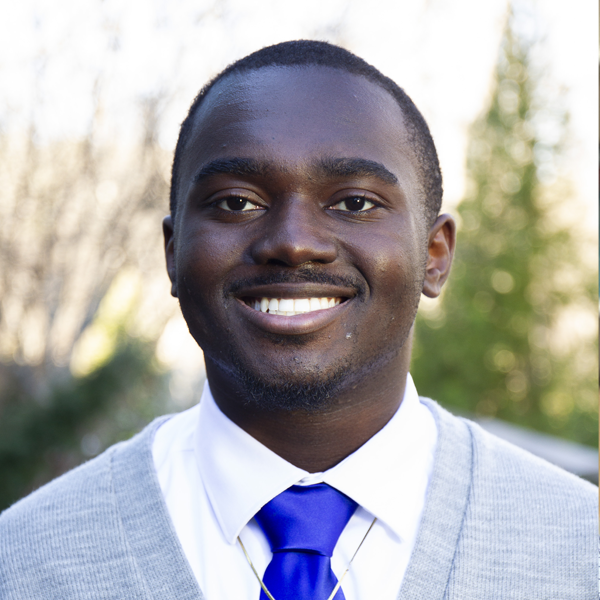
Joe Asamoah-Boadu is Labor South’s first intern via partnership with Duke University Sanford School of Public Policy and Center for Documentary Studies. He is a rising senior at Duke University majoring in public policy, with minors in education and African and African American studies. He is originally from Charlotte, North Carolina, and was raised by his working-class Ghanaian parents. This upbringing and his experience in several service jobs attracted him to Labor South. He is strongly passionate about storytelling and aspires to obtain his JD post-college to better advocate for marginalized people, specifically focusing on civil rights and education spaces.
Joe Asamoah-Boadu is Labor South’s first intern via partnership with Duke University Sanford School of Public Policy and Center for Documentary Studies. He is a rising senior at Duke University majoring in public policy, with minors in education and African and African American studies. He is originally from Charlotte, North Carolina, and was raised by his working-class Ghanaian parents. This upbringing and his experience in several service jobs attracted him to Labor South. He is strongly passionate about storytelling and aspires to obtain his JD post-college to better advocate for marginalized people, specifically focusing on civil rights and education spaces.
Joe Asamoah-Boadu es el primer pasante de Labor South a través de una colaboración con la Escuela de Políticas Públicas Sanford de Duke University y el Centro para Estudios Documentales. Está cursando el último año de carrera en la Universidad de Duke, especializándose en política pública, educación y estudios africanos y afroestadounidenses. Originario de Charlotte, Carolina del Norte, y fue criado por padres ghanéses de clase trabajadora. Esta crianza y su experiencia en varios empleos de servicio, lo atrajeron a Labor South. Tiene una fuerte pasión por la narrativa y aspira obtener su doctorado en derecho después de la universidad para abogar de la mejor manera por las personas marginalizadas, específicamente centrado en los derechos civiles y los espacios educativos.
Joe Asamoah-Boadu es el primer pasante de Labor South a través de una colaboración con la Escuela de Políticas Públicas Sanford de Duke University y el Centro para Estudios Documentales. Está cursando el último año de carrera en la Universidad de Duke, especializándose en política pública, educación y estudios africanos y afroestadounidenses. Originario de Charlotte, Carolina del Norte, y fue criado por padres ghanéses de clase trabajadora. Esta crianza y su experiencia en varios empleos de servicio, lo atrajeron a Labor South. Tiene una fuerte pasión por la narrativa y aspira obtener su doctorado en derecho después de la universidad para abogar de la mejor manera por las personas marginalizadas, específicamente centrado en los derechos civiles y los espacios educativos.
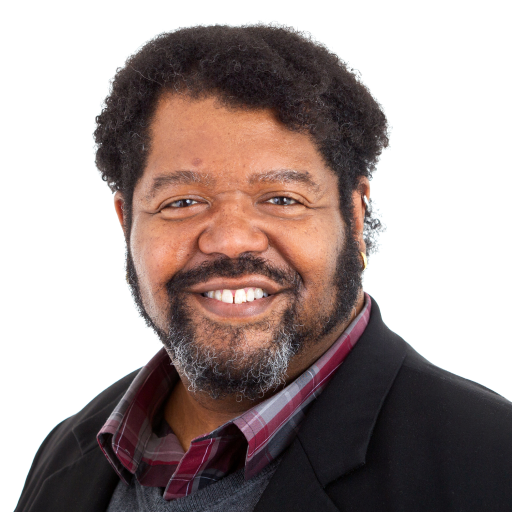
Calvin Allen es vicepresidente de Colaboraciones y Programas para la visión y dirección programática de MDC mientras supervisó a les líderes de programa de MDC. Él también cultiva y gestiona colaboraciones clave a nivel estatal, regional y nacional entre los 13 estados del sur que apoya MDC. Con 30 años de experiencia en organizaciones sin fines de lucro en desarrollo organizacional, filantropía, desarrollo económico comunitario rural, gestión de conflictos, y desarrollo de liderazgo, Calvin tiene una licenciatura y un certificado en gestión de organizaciones sin fines de lucro de la Universidad de Duke, en donde también ha sido instructor en la Nicholas School of the Environment durante los últimos 10 años para sus Prácticas de gestión medioambiental basada en la comunidad.
Calvin se unió a MDC en 2021 como director de programas senior para el programa Rural Forward [Adelante Rural]. Fue el cofundador de Rural Forward en 2014 después de servir tres años con la Fundación Golden LEAF como oficial del programa de subvenciones comunitarias. También fue subdirector de la Iniciativa de Desarrollo Rural del Sur, director del Centro Nacional de Servicios Forestales Comunitarios del Fondo de Conservación y director adjunto del Centro de Resolución de Disputas del Condado de Orange. Se graduó en 1994 en Leadership Durham y en 2003-2005 en la beca William C. Friday de Relaciones Humanas a través de la Iniciativa de Liderazgo Wildacres, donde forma parte de la junta directiva.
Calvin Allen es vicepresidente de Colaboraciones y Programas para la visión y dirección programática de MDC mientras supervisó a les líderes de programa de MDC. Él también cultiva y gestiona colaboraciones clave a nivel estatal, regional y nacional entre los 13 estados del sur que apoya MDC. Con 30 años de experiencia en organizaciones sin fines de lucro en desarrollo organizacional, filantropía, desarrollo económico comunitario rural, gestión de conflictos, y desarrollo de liderazgo, Calvin tiene una licenciatura y un certificado en gestión de organizaciones sin fines de lucro de la Universidad de Duke, en donde también ha sido instructor en la Nicholas School of the Environment durante los últimos 10 años para sus Prácticas de gestión medioambiental basada en la comunidad.
Calvin se unió a MDC en 2021 como director de programas senior para el programa Rural Forward [Adelante Rural]. Fue el cofundador de Rural Forward en 2014 después de servir tres años con la Fundación Golden LEAF como oficial del programa de subvenciones comunitarias. También fue subdirector de la Iniciativa de Desarrollo Rural del Sur, director del Centro Nacional de Servicios Forestales Comunitarios del Fondo de Conservación y director adjunto del Centro de Resolución de Disputas del Condado de Orange. Se graduó en 1994 en Leadership Durham y en 2003-2005 en la beca William C. Friday de Relaciones Humanas a través de la Iniciativa de Liderazgo Wildacres, donde forma parte de la junta directiva.

Melanie Barron es organizadora del sindicato Communications Workers of America. Lleva 13 años organizando con CWA, primero como miembra de United Campus Workers (UCW), CWA Local 3865, un sindicato de afiliación directa para les trabajadores de la enseñanza superior pública en Tennessee. Se unió a UCW como miembro en 2012 mientras trabajaba en la Universidad de Tennessee y desempeñó diversas funciones como miembra antes de unirse al personal local en 2015. Durante sus primeros años como organizadora local, fue parte del equipo que derrotó un gran impulso a la subcontratación en el gobierno estatal de Tennessee a través de una campaña llamada Tennessee no está en venta. Esto elevó el perfil de UCW, y en 2018, ella se unió al personal de CWA para expandir el modelo de UCW de trabajo organizativo más allá de Tennessee hacia las universidades en todo el sur. Ahora, UCW es una mega-local con 5,000 miembres que abarca 8 estados y docenas de campuses, y hay locales de UCW adicionales en Arizona, Colorado, y Utah.
En la actualidad, Melanie está organizando con United Videogame Workers [Trabajadores de Videojuegos Unides], un nuevo sindicato de unión directa para desarrolladores de videojuegos de toda la industria, y está apoyando diversas prioridades organizativas de CWA en la región sudeste. Cree en el potencial del movimiento obrero para revitalizar la vida cívica en Estados Unidos, y quiere apoyar nuevas formas de organización laboral para organizar agresivamente al mayor número posible de trabajadores en nuestro movimiento, independientemente de las barreras legales a las que puedan enfrentarse para la certificación y la negociación colectiva.
Melanie Barron es organizadora del sindicato Communications Workers of America. Lleva 13 años organizando con CWA, primero como miembra de United Campus Workers (UCW), CWA Local 3865, un sindicato de afiliación directa para les trabajadores de la enseñanza superior pública en Tennessee. Se unió a UCW como miembro en 2012 mientras trabajaba en la Universidad de Tennessee y desempeñó diversas funciones como miembra antes de unirse al personal local en 2015. Durante sus primeros años como organizadora local, fue parte del equipo que derrotó un gran impulso a la subcontratación en el gobierno estatal de Tennessee a través de una campaña llamada Tennessee no está en venta. Esto elevó el perfil de UCW, y en 2018, ella se unió al personal de CWA para expandir el modelo de UCW de trabajo organizativo más allá de Tennessee hacia las universidades en todo el sur. Ahora, UCW es una mega-local con 5,000 miembres que abarca 8 estados y docenas de campuses, y hay locales de UCW adicionales en Arizona, Colorado, y Utah.
En la actualidad, Melanie está organizando con United Videogame Workers [Trabajadores de Videojuegos Unides], un nuevo sindicato de unión directa para desarrolladores de videojuegos de toda la industria, y está apoyando diversas prioridades organizativas de CWA en la región sudeste. Cree en el potencial del movimiento obrero para revitalizar la vida cívica en Estados Unidos, y quiere apoyar nuevas formas de organización laboral para organizar agresivamente al mayor número posible de trabajadores en nuestro movimiento, independientemente de las barreras legales a las que puedan enfrentarse para la certificación y la negociación colectiva.
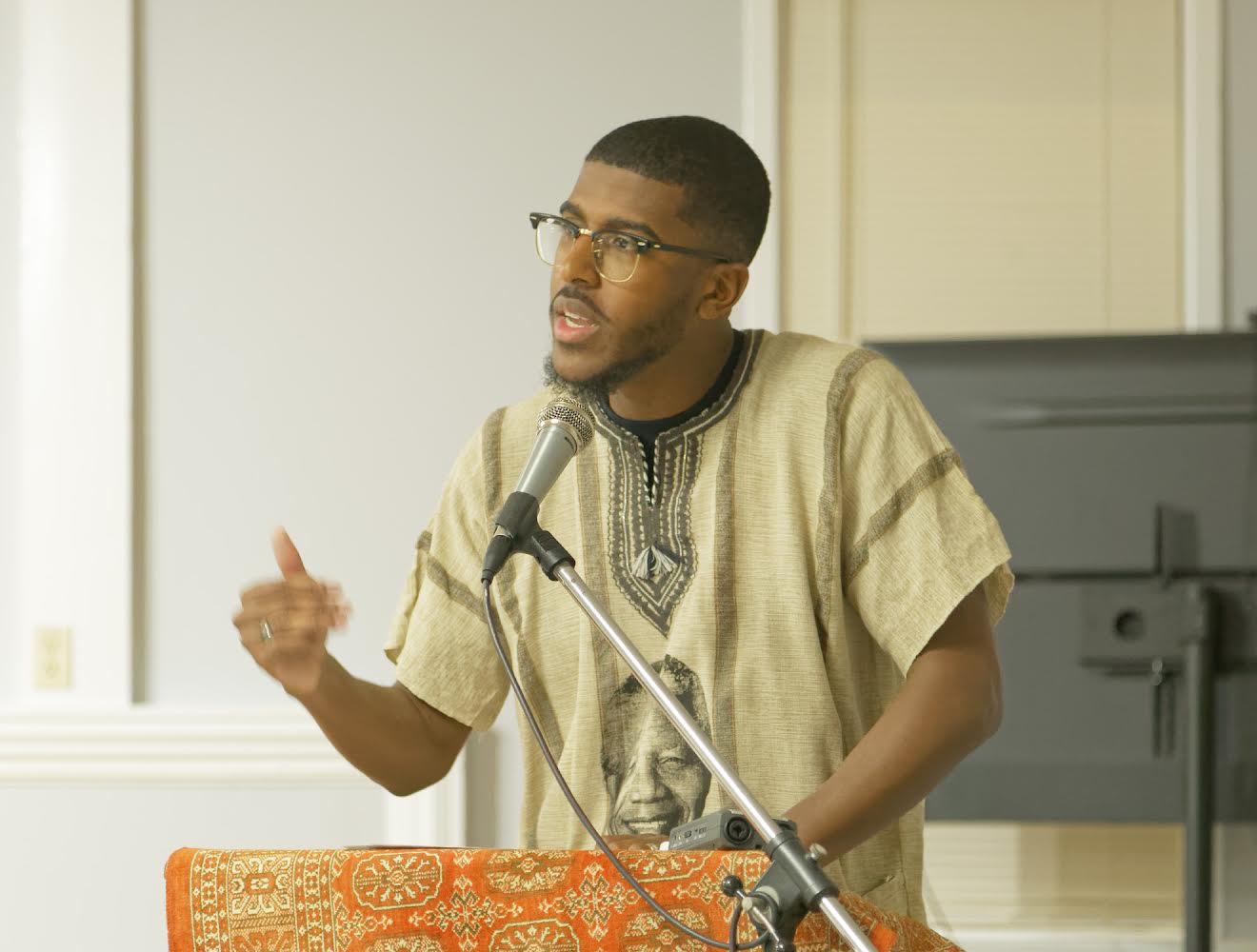
Ajamu Dillahunt-Holloway es profesor adjunto de Historia Afroestadounidense e Historia Pública en la Universidad Estatal de Carolina del Norte. Sus investigaciones se centran en la historia afroestadounidense del siglo XX, con especial atención al Sur de Estados Unidos, el trabajo, la justicia medioambiental y la lucha por la libertad de las personas negras. La investigación de Dillahunt-Holloway y el compromiso de hacer del mundo un mejor lugar le ha permitido viajar a Sudáfrica, Cuba, Palestina y Senegal.
En este momento, es miembro de la junta directiva de la Interreligious Foundation of Community Organizations [Fundación Interreligiosa de Organizaciones Comunitarias (IFCO, por sus siglas en inglés)], la Red de Justicia Ambiental de Carolina del Norte (NCEJN, por sus siglas en inglés), and Democracy North Carolina [Democracia en Carolina del Norte]. Dillahunt-Holloway también es parte de la Junta Asesora de Recursos Históricos y Museos de la Ciudad de Raleigh, y del Comité Asesor del Marcador Histórico de la Autopista de Carolina del Norte. En la actualidad, Dillahunt-Holloway está trabajando en un libro que tiene el título tentativo “The South Will Never Be the Same: The History of Black Workers for Justice, Black Liberation, and Southern Labor [El Sur nunca volverá a ser el mismo: La historia de les Trabajadores Negres por la Justicia, la Liberación Negra y el Trabajo del Sur. Dillahunt-Holloway obtuvo su Ph.D. en Historia de la Universidad Estatal de Michigan en el 2023. Tiene una licenciatura en Historia y una licenciatura en Ciencias Políticas de la Universidad Central de Carolina del Norte.
Ajamu Dillahunt-Holloway es profesor adjunto de Historia Afroestadounidense e Historia Pública en la Universidad Estatal de Carolina del Norte. Sus investigaciones se centran en la historia afroestadounidense del siglo XX, con especial atención al Sur de Estados Unidos, el trabajo, la justicia medioambiental y la lucha por la libertad de las personas negras. La investigación de Dillahunt-Holloway y el compromiso de hacer del mundo un mejor lugar le ha permitido viajar a Sudáfrica, Cuba, Palestina y Senegal.
En este momento, es miembro de la junta directiva de la Interreligious Foundation of Community Organizations [Fundación Interreligiosa de Organizaciones Comunitarias (IFCO, por sus siglas en inglés)], la Red de Justicia Ambiental de Carolina del Norte (NCEJN, por sus siglas en inglés), and Democracy North Carolina [Democracia en Carolina del Norte]. Dillahunt-Holloway también es parte de la Junta Asesora de Recursos Históricos y Museos de la Ciudad de Raleigh, y del Comité Asesor del Marcador Histórico de la Autopista de Carolina del Norte. En la actualidad, Dillahunt-Holloway está trabajando en un libro que tiene el título tentativo “The South Will Never Be the Same: The History of Black Workers for Justice, Black Liberation, and Southern Labor [El Sur nunca volverá a ser el mismo: La historia de les Trabajadores Negres por la Justicia, la Liberación Negra y el Trabajo del Sur. Dillahunt-Holloway obtuvo su Ph.D. en Historia de la Universidad Estatal de Michigan en el 2023. Tiene una licenciatura en Historia y una licenciatura en Ciencias Políticas de la Universidad Central de Carolina del Norte.
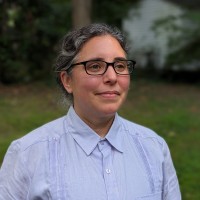
Angeline Echeverría es la directora de sostenibilidad de Afiliades de la Alianza Nacional de Trabajadoras del Hogar (La Alianza), y coordina la creación de capacidades y el desarrollo organizativo para apoyar a docenas de organizaciones independientes de trabajadoras de hogar en ciudades de todo el país. Angeline es una apasionada defensora de los derechos de les inmigrantes y les trabajadores, la justicia reproductiva y el trabajo organizativo intergeneracional. Antes de incorporarse a La Alianza, Angeline se encargaba de la captación, retención y apoyo a les miembres de la Coalición NC Counts; fue directora ejecutiva de El Pueblo; y desempeñó distintas funciones en la organización de mujeres y trabajadores inmigrantes en el sureste y fuera de él.
Angeline atribuye a Estudiantes en Acción con Campesinos, con sede en Durham, el haberla iniciado en el camino del trabajo por la justicia social a través de un programa de pasantía en el que participó mientras se licenciaba en Estudios Latinoamericanos por la Universidad de Carolina del Sur-Columbia. Las raíces de Angeline están en Cuba, el norte del estado de Nueva York y Carolina del Sur, y ha vivido en Raleigh desde 2012. Aparte del trabajo, a Angeline le gusta la Zumba, el fútbol, y pasar tiempo al aire libre.
Angeline Echeverría es la directora de sostenibilidad de Afiliades de la Alianza Nacional de Trabajadoras del Hogar (La Alianza), y coordina la creación de capacidades y el desarrollo organizativo para apoyar a docenas de organizaciones independientes de trabajadoras de hogar en ciudades de todo el país. Angeline es una apasionada defensora de los derechos de les inmigrantes y les trabajadores, la justicia reproductiva y el trabajo organizativo intergeneracional. Antes de incorporarse a La Alianza, Angeline se encargaba de la captación, retención y apoyo a les miembres de la Coalición NC Counts; fue directora ejecutiva de El Pueblo; y desempeñó distintas funciones en la organización de mujeres y trabajadores inmigrantes en el sureste y fuera de él.
Angeline atribuye a Estudiantes en Acción con Campesinos, con sede en Durham, el haberla iniciado en el camino del trabajo por la justicia social a través de un programa de pasantía en el que participó mientras se licenciaba en Estudios Latinoamericanos por la Universidad de Carolina del Sur-Columbia. Las raíces de Angeline están en Cuba, el norte del estado de Nueva York y Carolina del Sur, y ha vivido en Raleigh desde 2012. Aparte del trabajo, a Angeline le gusta la Zumba, el fútbol, y pasar tiempo al aire libre.
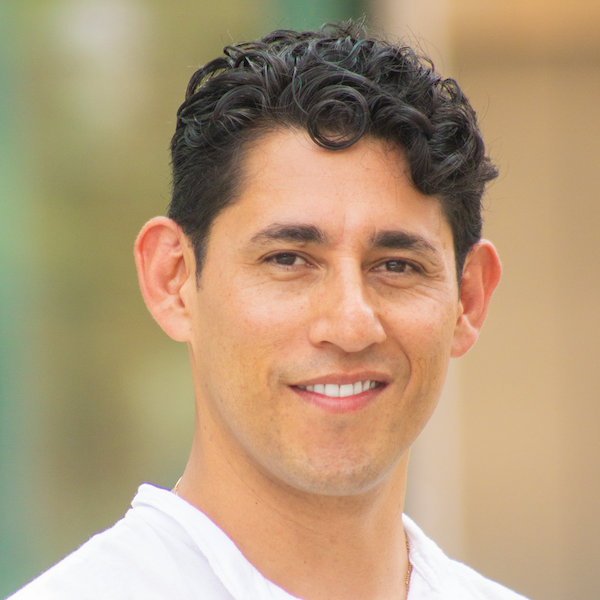
Raúl Gámez se doctoró recientemente en educación superior por el Centro de Estudios de Educación Superior y Postsecundaria de la Universidad de Michigan, Ann Arbor. La investigación de Raúl se centra en la comprensión del rol de la diversidad, la equidad, y la inclusión en la educación superior como un mecanismo para lograr la equidad racial. Obtuvo un máster en Administración de la Educación Superior de la Universidad de Michigan y una licenciatura en Artes Teatrales y Estudios de Traducción e Interpretación por la Universidad Estatal de California, Long Beach. Antes de matricularse en la escuela de posgrado, Raúl trabajó como director de jóvenes migrantes en Estudiantes en Acción con Campesinos, trabajando con jóvenes migrantes e inmigrantes en Carolina del Norte. Raúl utilizó el teatro, el arte y la educación popular como herramientas para el desarrollo del liderazgo con jóvenes migrantes y sus familias. También coordinó la Adelante Education Coalition, una coalición estatal de Carolina del Norte centrada en aumentar el acceso a la educación de les estudiantes latines e inmigrantes y sus familias.
Raúl Gámez se doctoró recientemente en educación superior por el Centro de Estudios de Educación Superior y Postsecundaria de la Universidad de Michigan, Ann Arbor. La investigación de Raúl se centra en la comprensión del rol de la diversidad, la equidad, y la inclusión en la educación superior como un mecanismo para lograr la equidad racial. Obtuvo un máster en Administración de la Educación Superior de la Universidad de Michigan y una licenciatura en Artes Teatrales y Estudios de Traducción e Interpretación por la Universidad Estatal de California, Long Beach. Antes de matricularse en la escuela de posgrado, Raúl trabajó como director de jóvenes migrantes en Estudiantes en Acción con Campesinos, trabajando con jóvenes migrantes e inmigrantes en Carolina del Norte. Raúl utilizó el teatro, el arte y la educación popular como herramientas para el desarrollo del liderazgo con jóvenes migrantes y sus familias. También coordinó la Adelante Education Coalition, una coalición estatal de Carolina del Norte centrada en aumentar el acceso a la educación de les estudiantes latines e inmigrantes y sus familias.
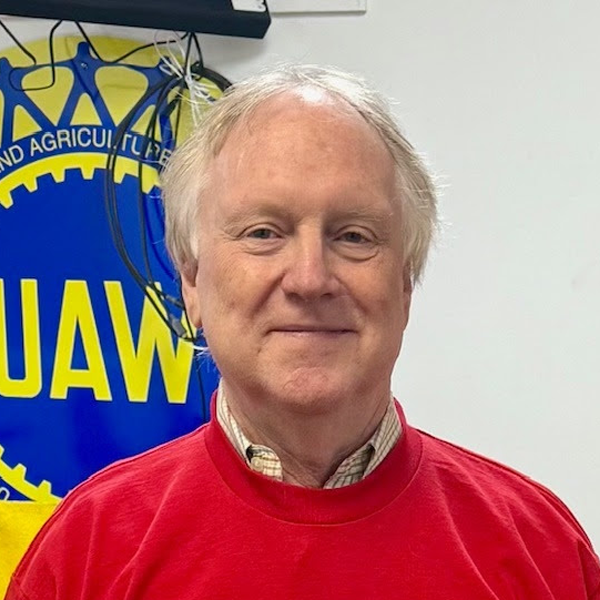
Robert Korstad es catedrático emérito de Política Pública e Historia en la Universidad de Duke. Recibió una licenciatura y un postgrado de la Universidad de Carolina del Norte en Chapel Hill. Sus intereses de investigación incluyen la historia de Estados Unidos del siglo XX, historia laboral, historia afroestadounidense y política social contemporánea.
Sus publicaciones incluyen: Fragile Democracy: The Struggle Over Race and Voting Rights in North Carolina (coauthor, University of North Carolina Press, 2020) [Democracia frágil: La lucha por la raza y el derecho al voto en Carolina del Norte (coautor, Imprenta de la Universidad de Carolina del Norte, 2020); To Right These Wrongs: The North Carolina Fund and the Battle to End Poverty and Inequality in 1960s America (coauthor, University of North Carolina Press, 2010) [Para corregir estos errores: el Fondo de Carolina del Norte y la batalla para acabar con la pobreza y la desigualdad en los Estados Unidos de la década de 1960 (coautor, Imprenta de la Universidad de Carolina del Norte, 2010); Civil Rights Unionism: Tobacco Workers and the Struggle for Democracy in the Mid-Twentieth-Century South (University of North Carolina Press, 2003) [El sindicalismo por los derechos civiles: los trabajadores del tabaco y la lucha por la democracia en el sur de mediados del siglo XX (Imprenta de la Universidad de Carolina del Norte, 2003)]; Remembering Jim Crow: African Americans Talk About Life in the Segregated South (coeditor, The New Press, 2001) [Recordando a Jim Crow: Les afroestadounidenses hablan sobre la vida en el sur segregado (coeditor, The New Press, 2001)]; Like a Family: The Making of a Southern Cotton Mill World (coauthor, University of North Carolina Press, revised edition, 2000) [Como una familia: La creación de un mundo industrial algodonero en el sur (coautor, Imprenta de la Universidad de Carolina del Norte, edición revisada, 2000)].
Robert Korstad es catedrático emérito de Política Pública e Historia en la Universidad de Duke. Recibió una licenciatura y un postgrado de la Universidad de Carolina del Norte en Chapel Hill. Sus intereses de investigación incluyen la historia de Estados Unidos del siglo XX, historia laboral, historia afroestadounidense y política social contemporánea.
Sus publicaciones incluyen: Fragile Democracy: The Struggle Over Race and Voting Rights in North Carolina (coauthor, University of North Carolina Press, 2020) [Democracia frágil: La lucha por la raza y el derecho al voto en Carolina del Norte (coautor, Imprenta de la Universidad de Carolina del Norte, 2020); To Right These Wrongs: The North Carolina Fund and the Battle to End Poverty and Inequality in 1960s America (coauthor, University of North Carolina Press, 2010) [Para corregir estos errores: el Fondo de Carolina del Norte y la batalla para acabar con la pobreza y la desigualdad en los Estados Unidos de la década de 1960 (coautor, Imprenta de la Universidad de Carolina del Norte, 2010); Civil Rights Unionism: Tobacco Workers and the Struggle for Democracy in the Mid-Twentieth-Century South (University of North Carolina Press, 2003) [El sindicalismo por los derechos civiles: los trabajadores del tabaco y la lucha por la democracia en el sur de mediados del siglo XX (Imprenta de la Universidad de Carolina del Norte, 2003)]; Remembering Jim Crow: African Americans Talk About Life in the Segregated South (coeditor, The New Press, 2001) [Recordando a Jim Crow: Les afroestadounidenses hablan sobre la vida en el sur segregado (coeditor, The New Press, 2001)]; Like a Family: The Making of a Southern Cotton Mill World (coauthor, University of North Carolina Press, revised edition, 2000) [Como una familia: La creación de un mundo industrial algodonero en el sur (coautor, Imprenta de la Universidad de Carolina del Norte, edición revisada, 2000)].
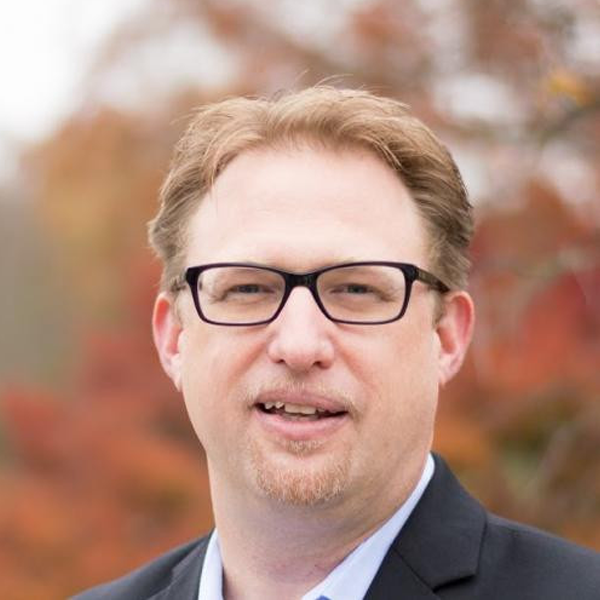
Chris Kromm es director ejecutivo del Institute for Southern Studies, un centro de medios de comunicación, investigación y educación sin ánimo de lucro fundado por veteranos de los derechos civiles con sede en Durham, Carolina del Norte. Chris también se desempeña como publicador de Facing South [Mirando al Sur], la revista en línea del instituto. Chris es el autor o coautor de más de 70 informes del instituto acerca de las problemáticas sureñas y las tendencias incluyendo el sector del trabajo, la democracia, la política y el cambio demográfico, y ha aparecido en más de 300 emisoras locales, estatales y nacionales, como CNN, C-SPAN, MSNBC, NPR y XM Radio. Chris fue miembro fundador de N.C. Asian Americans Together y Progress North Carolina.
Bajo el liderazgo de Chris, el instituto ha sido reconocido con varios honores y premios prestigiosos, entre los que figuran el premio George Polk de reportaje periodístico, el premio Defenders of Justice del Centro de Justicia de Carolina del Norte a la investigación y defensa de políticas, el premio Harry Chapin Media por la cobertura de temas relacionados con la pobreza, el premio de reportaje de investigación de la Asociación de Prensa de Carolina del Norte y distinciones del Club Nacional de Prensa, la Sociedad de Periodistas Profesionales y la Asociación de Corresponsales de la Casa Blanca.
Chris Kromm es director ejecutivo del Institute for Southern Studies, un centro de medios de comunicación, investigación y educación sin ánimo de lucro fundado por veteranos de los derechos civiles con sede en Durham, Carolina del Norte. Chris también se desempeña como publicador de Facing South [Mirando al Sur], la revista en línea del instituto. Chris es el autor o coautor de más de 70 informes del instituto acerca de las problemáticas sureñas y las tendencias incluyendo el sector del trabajo, la democracia, la política y el cambio demográfico, y ha aparecido en más de 300 emisoras locales, estatales y nacionales, como CNN, C-SPAN, MSNBC, NPR y XM Radio. Chris fue miembro fundador de N.C. Asian Americans Together y Progress North Carolina.
Bajo el liderazgo de Chris, el instituto ha sido reconocido con varios honores y premios prestigiosos, entre los que figuran el premio George Polk de reportaje periodístico, el premio Defenders of Justice del Centro de Justicia de Carolina del Norte a la investigación y defensa de políticas, el premio Harry Chapin Media por la cobertura de temas relacionados con la pobreza, el premio de reportaje de investigación de la Asociación de Prensa de Carolina del Norte y distinciones del Club Nacional de Prensa, la Sociedad de Periodistas Profesionales y la Asociación de Corresponsales de la Casa Blanca.
Steve Lownes es Profesor Asociado de Idiomas del Mundo en la Universidad de Carolina del Sur (South Carolina-Union) en donde enseña español, portugués, estudios latinoamericanos, literatura comparativa, estudios de Carolina del Sur y cursos con un fuerte énfasis en pasantías y aprendizaje mediante el servicio.
Anteriormente, fue el asistente de director del Instituto de Estudios Latinoamericanos y Caribeños en la Universidad de Georgia y administró $1.9 para las becas del Centro Nacional de Recursos y de Lenguas Extranjeras y Estudios de Área del Título VI del Departamento Federal de Educación. Él ha vivido, realizado investigaciones, y trabajado en España, Argentina y Brasil. Él es un traductor certificado de la Asociación Estadounidense de Traductores (ATA, por sus siglas en inglés). Lownes obtuvo su doctorado en español y portugués de la Universidad Estatal de Ohio en 2018, y una Maestría de Artes en Gestión de Políticas Públicas en 2013, también de la Universidad Estatal de Ohio, y una licenciatura (2005) y una Maestría de Artes (2007) en español por la Universidad de Carolina del Sur. Él vive con su esposa y tres hijes en Carolina del Sur.
Steve Lownes es Profesor Asociado de Idiomas del Mundo en la Universidad de Carolina del Sur (South Carolina-Union) en donde enseña español, portugués, estudios latinoamericanos, literatura comparativa, estudios de Carolina del Sur y cursos con un fuerte énfasis en pasantías y aprendizaje mediante el servicio.
Anteriormente, fue el asistente de director del Instituto de Estudios Latinoamericanos y Caribeños en la Universidad de Georgia y administró $1.9 para las becas del Centro Nacional de Recursos y de Lenguas Extranjeras y Estudios de Área del Título VI del Departamento Federal de Educación. Él ha vivido, realizado investigaciones, y trabajado en España, Argentina y Brasil. Él es un traductor certificado de la Asociación Estadounidense de Traductores (ATA, por sus siglas en inglés). Lownes obtuvo su doctorado en español y portugués de la Universidad Estatal de Ohio en 2018, y una Maestría de Artes en Gestión de Políticas Públicas en 2013, también de la Universidad Estatal de Ohio, y una licenciatura (2005) y una Maestría de Artes (2007) en español por la Universidad de Carolina del Sur. Él vive con su esposa y tres hijes en Carolina del Sur.
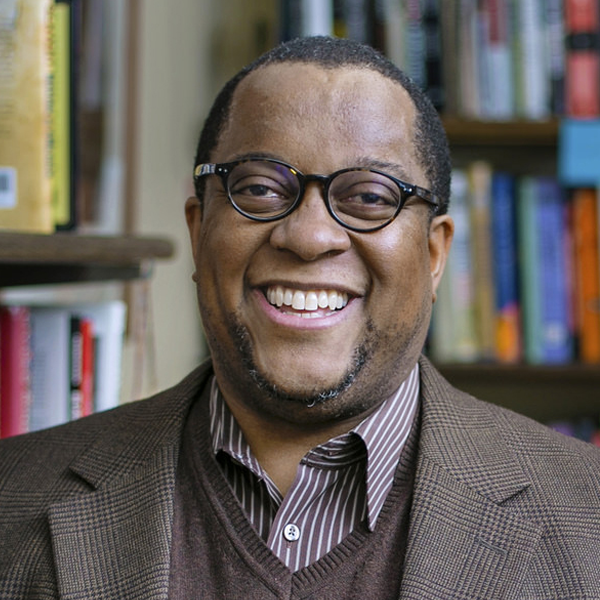
Charles W. McKinney, Jr. es catedrático de Historia en el Rhodes College de Memphis, Tennessee. Sus áreas de interés incluyen el movimiento de los derechos civiles, la confluencia del Poder Negro y la ideología de los derechos civiles, y la creación de instituciones de cambio social en comunidades pobres de clase trabajadora. Es autor de Greater Freedom: The Evolution of the Civil Rights Struggle in Wilson, North Carolina [Mayor libertad: la evolución de la lucha por los derechos civiles en Wilson, Carolina del Norte], y coeditor de An Unseen Light: The Black Struggle for Freedom in Memphis [Una luz invisible: La lucha de las personas negras por la libertad en Memphis], y From Rights to Lives: The Evolution of the Black Freedom Struggle [De los derechos a las vidas: la evolución de la lucha por la libertad de las personas negras]. Sus escritos y comentarios han aparecido en periódicos e instalaciones de información en todo el país, incluidos el Memphis Commercial Appeal, USA Today, Wall Street Journal, Black Perspectives, The History Channel, Vanity Fair, y MLK50: Justice Through Journalism. Ha proporcionado comentario en programas de radio en todo el país y medios de comunicación en el Reino Unido, Europa, China y Australia, y ha aparecido en CNN.
McKinney se graduó con honores con una licenciatura en historia e inglés por el Morehouse College en 1989, y se doctoró en Historia de la Universidad de Duke, siguiendo los pasos de su mentor en Morehouse, el Dr. Marcellus Barksdale. Durante su estancia en Duke, ganó el Premio Samuel DuBois Cook al Servicio Estudiantil y colaboró con numerosas organizaciones de justicia social, como North Carolina Public Allies, The Institute for Southern Studies [Instituto para Estudios Sureños], el Fund for Southern Communities y la Z. Smith Reynolds Foundation. En Memphis, McKinney preside el Comité Directivo de Memphis For All, una organización progresista de defensoría de votantes. Desde 2016, ha pasado veranos ayudando a maestres en todo el país para crear un plan de estudios de derechos civiles desde kínder hasta a la preparatoria (K-12). Al pasar de los años, ha realizado capacitaciones y talleres sobre fortalecimiento de movimientos y activismo de base para les miembres sindicales y organizadores en California, Tennessee, Mississippi y Luisiana. Es padre de tres niñes y está casado con Natalie McKinney.
Charles W. McKinney, Jr. es catedrático de Historia en el Rhodes College de Memphis, Tennessee. Sus áreas de interés incluyen el movimiento de los derechos civiles, la confluencia del Poder Negro y la ideología de los derechos civiles, y la creación de instituciones de cambio social en comunidades pobres de clase trabajadora. Es autor de Greater Freedom: The Evolution of the Civil Rights Struggle in Wilson, North Carolina [Mayor libertad: la evolución de la lucha por los derechos civiles en Wilson, Carolina del Norte], y coeditor de An Unseen Light: The Black Struggle for Freedom in Memphis [Una luz invisible: La lucha de las personas negras por la libertad en Memphis], y From Rights to Lives: The Evolution of the Black Freedom Struggle [De los derechos a las vidas: la evolución de la lucha por la libertad de las personas negras]. Sus escritos y comentarios han aparecido en periódicos e instalaciones de información en todo el país, incluidos el Memphis Commercial Appeal, USA Today, Wall Street Journal, Black Perspectives, The History Channel, Vanity Fair, y MLK50: Justice Through Journalism. Ha proporcionado comentario en programas de radio en todo el país y medios de comunicación en el Reino Unido, Europa, China y Australia, y ha aparecido en CNN.
McKinney se graduó con honores con una licenciatura en historia e inglés por el Morehouse College en 1989, y se doctoró en Historia de la Universidad de Duke, siguiendo los pasos de su mentor en Morehouse, el Dr. Marcellus Barksdale. Durante su estancia en Duke, ganó el Premio Samuel DuBois Cook al Servicio Estudiantil y colaboró con numerosas organizaciones de justicia social, como North Carolina Public Allies, The Institute for Southern Studies [Instituto para Estudios Sureños], el Fund for Southern Communities y la Z. Smith Reynolds Foundation. En Memphis, McKinney preside el Comité Directivo de Memphis For All, una organización progresista de defensoría de votantes. Desde 2016, ha pasado veranos ayudando a maestres en todo el país para crear un plan de estudios de derechos civiles desde kínder hasta a la preparatoria (K-12). Al pasar de los años, ha realizado capacitaciones y talleres sobre fortalecimiento de movimientos y activismo de base para les miembres sindicales y organizadores en California, Tennessee, Mississippi y Luisiana. Es padre de tres niñes y está casado con Natalie McKinney.
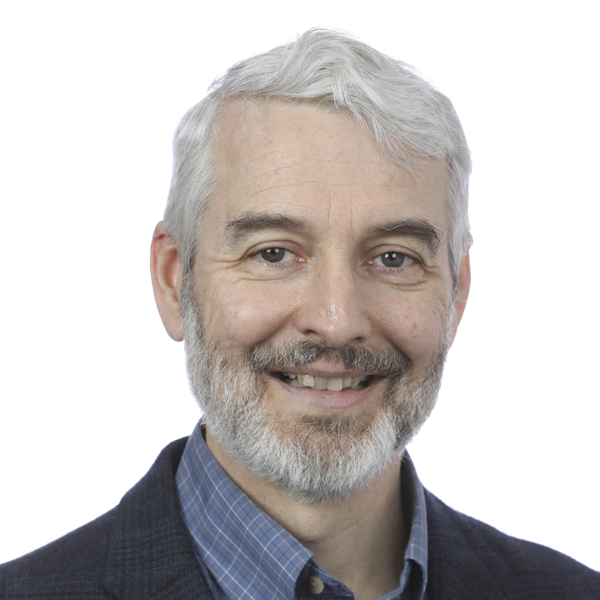
David Neal es un abogado con el Southern Environmental Law Center (Centro de Derecho Ambiental del Sur, SELC, por sus siglas en inglés) en Chapel Hill, en donde su trabajo se centra en las políticas de energía limpia y la justicia medio ambiental. Antes de formar parte del SELC, estaba haciendo carrera en el trabajo de defensa penal de indigentes. David es cofundador y antiguo director ejecutivo de Fair Trial Initiative [Iniciativa de Juicio Justo], una organización sin fines de lucro que trabajó para mejorar la calidad de la representación recibida por personas que enfrentan la pena de muerte. David se desempeña en las juntas de la Fundación Z. Smith Reynolds y Repairers of the Breach. Anteriormente sirvió en las juntas directivas de la Comisión del Condado de Orange para el Medioambiente, Fundación Common Sense, NC Conservation Network, y el Fondo Proteus. Completó su título de licenciatura en Oberlin College y su título en leyes en la UNC School of Law en Chapel Hill. Antes de la escuela de leyes, David trabajó en los Cuerpos de Paz como voluntario en Turkmenistan.
David Neal es un abogado con el Southern Environmental Law Center (Centro de Derecho Ambiental del Sur, SELC, por sus siglas en inglés) en Chapel Hill, en donde su trabajo se centra en las políticas de energía limpia y la justicia medio ambiental. Antes de formar parte del SELC, estaba haciendo carrera en el trabajo de defensa penal de indigentes. David es cofundador y antiguo director ejecutivo de Fair Trial Initiative [Iniciativa de Juicio Justo], una organización sin fines de lucro que trabajó para mejorar la calidad de la representación recibida por personas que enfrentan la pena de muerte. David se desempeña en las juntas de la Fundación Z. Smith Reynolds y Repairers of the Breach. Anteriormente sirvió en las juntas directivas de la Comisión del Condado de Orange para el Medioambiente, Fundación Common Sense, NC Conservation Network, y el Fondo Proteus. Completó su título de licenciatura en Oberlin College y su título en leyes en la UNC School of Law en Chapel Hill. Antes de la escuela de leyes, David trabajó en los Cuerpos de Paz como voluntario en Turkmenistan.
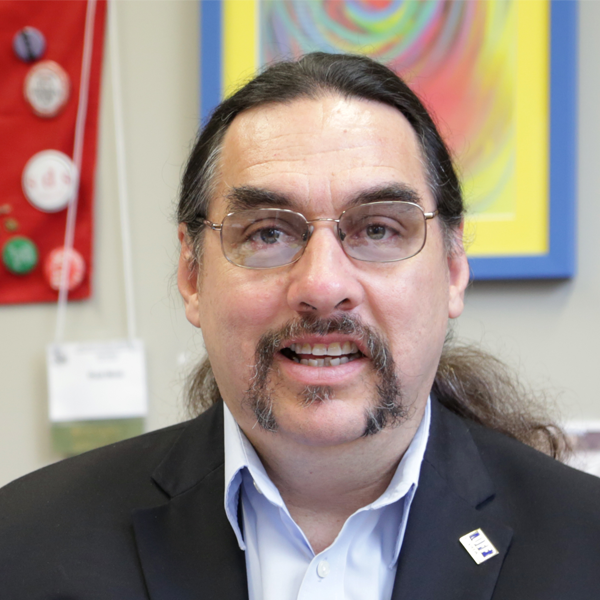
Paul Ortiz es un estudiante universitario de primera generación y veterano de tercera generación del ejército estadounidense. Su trabajo en el movimiento laboral comenzó con el boicot de 8 años del United Farm Workers (Sindicato de Trabajadores Agrícolas) del estado de Washington a los vinos de Chateau Ste. Michelle que dio lugar a un contrato sindical en 1995 que todavía está en vigor. Junto a su esposa, Sheila Payne, Paul ha trabajado para apoyar las luchas, incluyendo el boicot a los pepinillos de Mt. Olive del Comité de Trabajo Organizativo de Trabajadores Agrícolas, la Campaña por la Comida Justa de la Coalición de Trabajadores de Immokalee, Fight for $15 [Lucha por los $15], Black Lives Matter [Las Vidas Negras Importan], y El Gran Paro Estadounidense en el Día Internacional de les Trabajadores, 2006, la mayor Huelga General de la Historia de las Américas. Paul cursó estudios de posgrado en Historia en la Universidad de Duke en la década de 1990. Durante este período se desempeñó en la junta de Estudiantes en Acción con Campesinos, el Institute for Southern Studies, el Proyecto de Trabajadores Agrícolas y otras organizaciones. Paul es profesor universitario desde 2001, cuando empezó como profesor adjunto de Estudios Comunitarios en la Universidad de California en Santa Cruz. Entre 2008 y 2024, Paul fue director del Programa de Historia Oral Samuel Proctor y profesor de Historia en la Universidad de Florida. Actualmente es profesor de Historia del Trabajo en la ILR School de la Universidad de Cornell.
Paul fue presidente de un sindicato local de la AFL-CIO y actualmente es miembro de la Asociación Americana de Profesores Universitarios/Federación Americana de Profesores. Ha sido asesor docente de organizaciones estudiantiles activistas como Students for a Democratic Society, YDSA, MEChA, PorColombia, la Asociación de Estudiantes Venezolanos, Chispas, Students for Bernie, Student Farmworker Alliance y muchas otras.
Paul es el autor de An African American and Latinx History of the United States and Emancipation Betrayed: The Hidden History of Black Organizing and White Violence in Florida [Una historia afroestadounidense y latina de los Estados Unidos y la emancipación traicionada: la historia oculta del trabajo organizativo negro y la violencia blanca en Florida]. Además de ofrecer cursos de historia afroestadounidense, historia latina, historia oral y del movimiento social, ha liderado cientos talleres y seminarios de trabajo y de historia de la clase trabajadora con sindicatos, grupos comunitarios, programas de aprendices, y otras organizaciones. Actualmente está trabajando en un libro bajo contrato con la imprenta Beacon Press titulado, A Social Movement History of the United States [Una Historia de los Movimientos Sociales de los Estados Unidos].
Paul Ortiz es un estudiante universitario de primera generación y veterano de tercera generación del ejército estadounidense. Su trabajo en el movimiento laboral comenzó con el boicot de 8 años del United Farm Workers (Sindicato de Trabajadores Agrícolas) del estado de Washington a los vinos de Chateau Ste. Michelle que dio lugar a un contrato sindical en 1995 que todavía está en vigor. Junto a su esposa, Sheila Payne, Paul ha trabajado para apoyar las luchas, incluyendo el boicot a los pepinillos de Mt. Olive del Comité de Trabajo Organizativo de Trabajadores Agrícolas, la Campaña por la Comida Justa de la Coalición de Trabajadores de Immokalee, Fight for $15 [Lucha por los $15], Black Lives Matter [Las Vidas Negras Importan], y El Gran Paro Estadounidense en el Día Internacional de les Trabajadores, 2006, la mayor Huelga General de la Historia de las Américas. Paul cursó estudios de posgrado en Historia en la Universidad de Duke en la década de 1990. Durante este período se desempeñó en la junta de Estudiantes en Acción con Campesinos, el Institute for Southern Studies, el Proyecto de Trabajadores Agrícolas y otras organizaciones. Paul es profesor universitario desde 2001, cuando empezó como profesor adjunto de Estudios Comunitarios en la Universidad de California en Santa Cruz. Entre 2008 y 2024, Paul fue director del Programa de Historia Oral Samuel Proctor y profesor de Historia en la Universidad de Florida. Actualmente es profesor de Historia del Trabajo en la ILR School de la Universidad de Cornell.
Paul fue presidente de un sindicato local de la AFL-CIO y actualmente es miembro de la Asociación Americana de Profesores Universitarios/Federación Americana de Profesores. Ha sido asesor docente de organizaciones estudiantiles activistas como Students for a Democratic Society, YDSA, MEChA, PorColombia, la Asociación de Estudiantes Venezolanos, Chispas, Students for Bernie, Student Farmworker Alliance y muchas otras.
Paul es el autor de An African American and Latinx History of the United States and Emancipation Betrayed: The Hidden History of Black Organizing and White Violence in Florida [Una historia afroestadounidense y latina de los Estados Unidos y la emancipación traicionada: la historia oculta del trabajo organizativo negro y la violencia blanca en Florida]. Además de ofrecer cursos de historia afroestadounidense, historia latina, historia oral y del movimiento social, ha liderado cientos talleres y seminarios de trabajo y de historia de la clase trabajadora con sindicatos, grupos comunitarios, programas de aprendices, y otras organizaciones. Actualmente está trabajando en un libro bajo contrato con la imprenta Beacon Press titulado, A Social Movement History of the United States [Una Historia de los Movimientos Sociales de los Estados Unidos].
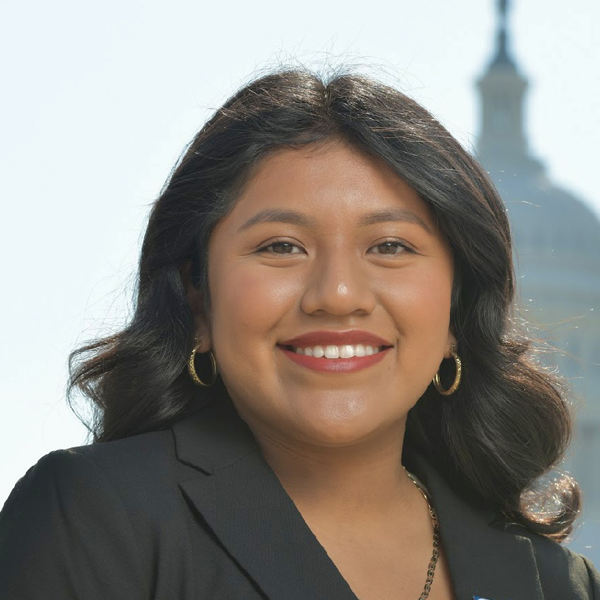
Yadira Paz-Martinez es originaria de Clinton, Carolina del Norte y es la hija orgullosa de inmigrantes de México que trabajan como obreros y trabajadores agrícolas. Obtuvo un título en Políticas Públicas de Duke University, con una mención en Historia y un certificado en Derechos Humanos. Como primera generación, Yadira fue vicepresidenta de Equidad y Divulgación en el Gobierno Estudiantil de Duke y copresidenta de Duke Beyond Borders. Comprometida con la justicia de les trabajadores agrícolas, fue becaria de Into the Fields en Estudiantes en Acción con Campesinos. En el verano de 2023, trabajó en la Cámara de Representantes de Estados Unidos a través del Congressional Hispanic Caucus Institute (CHCI), prestando servicio en la oficina de la representante de Colorado Yadira Caraveo. Más recientemente, trabajó en el Mexican American Legal Defense and Educational Fund [Fondo Mexicano-Americano de Defensa Legal y Educación (MALDEF, por sus siglas en inglés)] en litigios sobre derechos civiles y con la campaña de Kamala Harris en actividades de divulgación.
Yadira también fue una becaria de Mellon Mays Undergraduate, en donde realizó investigación acerca de la socialización de les trabajadores agrícolas en las áreas rurales de Carolina del Norte y el impacto de las fuerzas geopolíticas en sus experiencias de vida. Ella completó su tesis con la distinción, titulada “The Undocumented Republican Latino Vote” [“El voto latino republicano indocumentado”]. Yadira, becaria de Truman 2024, aspira a obtener un doctorado en Derecho para promover los derechos laborales de les trabajadores agrícolas y les trabajadores con salarios bajos en todo Estados Unidos.
Yadira Paz-Martinez es originaria de Clinton, Carolina del Norte y es la hija orgullosa de inmigrantes de México que trabajan como obreros y trabajadores agrícolas. Obtuvo un título en Políticas Públicas de Duke University, con una mención en Historia y un certificado en Derechos Humanos. Como primera generación, Yadira fue vicepresidenta de Equidad y Divulgación en el Gobierno Estudiantil de Duke y copresidenta de Duke Beyond Borders. Comprometida con la justicia de les trabajadores agrícolas, fue becaria de Into the Fields en Estudiantes en Acción con Campesinos. En el verano de 2023, trabajó en la Cámara de Representantes de Estados Unidos a través del Congressional Hispanic Caucus Institute (CHCI), prestando servicio en la oficina de la representante de Colorado Yadira Caraveo. Más recientemente, trabajó en el Mexican American Legal Defense and Educational Fund [Fondo Mexicano-Americano de Defensa Legal y Educación (MALDEF, por sus siglas en inglés)] en litigios sobre derechos civiles y con la campaña de Kamala Harris en actividades de divulgación.
Yadira también fue una becaria de Mellon Mays Undergraduate, en donde realizó investigación acerca de la socialización de les trabajadores agrícolas en las áreas rurales de Carolina del Norte y el impacto de las fuerzas geopolíticas en sus experiencias de vida. Ella completó su tesis con la distinción, titulada “The Undocumented Republican Latino Vote” [“El voto latino republicano indocumentado”]. Yadira, becaria de Truman 2024, aspira a obtener un doctorado en Derecho para promover los derechos laborales de les trabajadores agrícolas y les trabajadores con salarios bajos en todo Estados Unidos.
Maria T. Perry es una abogada con experiencia manejando una amplia gama de asuntos legales. Disfruta particularmente trabajar en casos de los derechos civiles y ley constitucional. Fue una de las abogadas que representó a les manifestantes arrestades en conexión con las primeras protestas de Moral Monday [Lunes Moral] de 2013. Durante más de una década, Maria también ha examinado varios casos jurídicos para su asistencia como amicus en apelación, y ha sido autora o coautora de escritos en apoyo de diversas cuestiones de derechos civiles y constitucionales. Maria ha servido como miembra de la junta directiva y miembra del comité para múltiples organizaciones en el pasado, y tiene una pasión por la defensoría de la justicia. María siente una pasión particular por los derechos laborales, ya que es hija de un padre y una madre que ganaron salarios bajos, y une de elles recogía algodón y cosechaba tabaco en la década de 1960. Es autora de la narrativa que pronto será publicada llamada, “A Luta Continua: The Larry Little Story and the Winston-Salem Black Panther Party” [”La lucha continúa: La historia de Larry Little y el Partido de las Panteras Negras de Winston-Salem”.
Maria T. Perry es una abogada con experiencia manejando una amplia gama de asuntos legales. Disfruta particularmente trabajar en casos de los derechos civiles y ley constitucional. Fue una de las abogadas que representó a les manifestantes arrestades en conexión con las primeras protestas de Moral Monday [Lunes Moral] de 2013. Durante más de una década, Maria también ha examinado varios casos jurídicos para su asistencia como amicus en apelación, y ha sido autora o coautora de escritos en apoyo de diversas cuestiones de derechos civiles y constitucionales. Maria ha servido como miembra de la junta directiva y miembra del comité para múltiples organizaciones en el pasado, y tiene una pasión por la defensoría de la justicia. María siente una pasión particular por los derechos laborales, ya que es hija de un padre y una madre que ganaron salarios bajos, y une de elles recogía algodón y cosechaba tabaco en la década de 1960. Es autora de la narrativa que pronto será publicada llamada, “A Luta Continua: The Larry Little Story and the Winston-Salem Black Panther Party” [”La lucha continúa: La historia de Larry Little y el Partido de las Panteras Negras de Winston-Salem”.
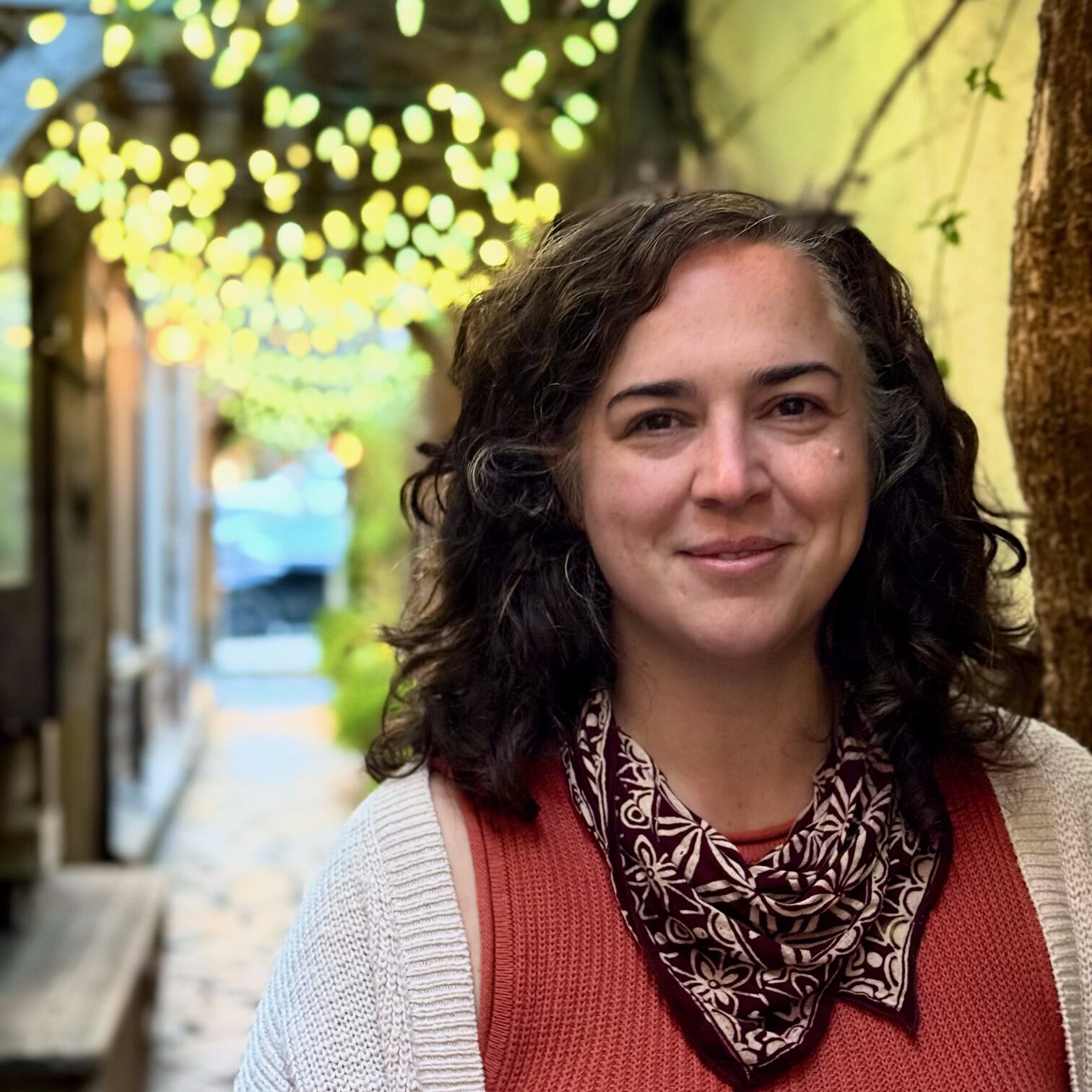
Melanie Stratton López es abogada sénior de ejecución estratégica en el Laboratorio de Justicia Laboral de la Universidad Northwestern, donde asesora a gobiernos estatales y locales sobre la implementación de la legislación laboral, contribuye a las coaliciones nacionales que configuran la política federal de aplicación de la legislación laboral y realiza investigaciones académicas sobre los derechos de les trabajadores. Anteriormente, trabajó como abogada litigante principal en el Departamento de Trabajo de EE. UU., donde dirigió litigios de ejecución de la Ley de Seguridad y Salud en el Trabajo (OSHA), la Ley de Normas Laborales Justas (FLSA), la Ley de Seguridad de Ingresos de Jubilación de los Empleados (ERISA), y las disposiciones de denuncia de diversos estatutos federales. Su trabajo incluyó la obtención de un acuerdo de ocho cifras a nivel corporativo contra un importante minorista, el desarrollo de nuevas estrategias de aplicación para hacer frente a riesgos laborales como las enfermedades causadas por el calor, y la prestación de asesoramiento estratégico en investigaciones de abusos laborales sistémicos, como la obtención de salarios atrasados para les trabajadores agrícolas negres en el delta del Mississippi. Ha sido coeditora en jefe de la quinta edición del Tratado de Derecho de la Seguridad y la Salud en el Trabajo de Bloomberg Law y es ponente habitual sobre cuestiones de Derecho laboral y del empleo. Melanie está colegiada en Carolina del Norte y se licenció en Derecho por la Universidad de Carolina del Norte. Melanie atribuye su carrera como abogada del área laboral como defensora de les trabajadores con salarios bajos a sus abuelos, quienes eran trabajadores agrícolas emigrantes del sur de Texas, y a su educación bicultural en Texas y en Carolina del Norte rural.
Melanie Stratton López es abogada sénior de ejecución estratégica en el Laboratorio de Justicia Laboral de la Universidad Northwestern, donde asesora a gobiernos estatales y locales sobre la implementación de la legislación laboral, contribuye a las coaliciones nacionales que configuran la política federal de aplicación de la legislación laboral y realiza investigaciones académicas sobre los derechos de les trabajadores. Anteriormente, trabajó como abogada litigante principal en el Departamento de Trabajo de EE. UU., donde dirigió litigios de ejecución de la Ley de Seguridad y Salud en el Trabajo (OSHA), la Ley de Normas Laborales Justas (FLSA), la Ley de Seguridad de Ingresos de Jubilación de los Empleados (ERISA), y las disposiciones de denuncia de diversos estatutos federales. Su trabajo incluyó la obtención de un acuerdo de ocho cifras a nivel corporativo contra un importante minorista, el desarrollo de nuevas estrategias de aplicación para hacer frente a riesgos laborales como las enfermedades causadas por el calor, y la prestación de asesoramiento estratégico en investigaciones de abusos laborales sistémicos, como la obtención de salarios atrasados para les trabajadores agrícolas negres en el delta del Mississippi. Ha sido coeditora en jefe de la quinta edición del Tratado de Derecho de la Seguridad y la Salud en el Trabajo de Bloomberg Law y es ponente habitual sobre cuestiones de Derecho laboral y del empleo. Melanie está colegiada en Carolina del Norte y se licenció en Derecho por la Universidad de Carolina del Norte. Melanie atribuye su carrera como abogada del área laboral como defensora de les trabajadores con salarios bajos a sus abuelos, quienes eran trabajadores agrícolas emigrantes del sur de Texas, y a su educación bicultural en Texas y en Carolina del Norte rural.
Lekha Shupeck es la directora de programas del Institute for Southern Studies, y trabaja en colaboración con el director ejecutivo para supervisar las iniciativas del Instituto en materia de medios de comunicación, investigación y divulgación, así como para ayudar en la recaudación de fondos de fundaciones e instituciones. Antes de incorporarse al instituto, Lekha fue directora de divulgación estatal de Documented, una organización de periodismo y vigilancia investigativa. Anteriormente fue Directora para Carolina del Norte de All on the Line [Todo está en juego], un grupo que promueve la reforma de la redistribución de distritos, y directora de campañas estatales para la ACLU de Carolina del Norte. Tiene un doctorado en Historia por la UNC-Chapel Hill y Doctora en Derecho por la Facultad de Derecho de la Universidad de Duke.
Lekha Shupeck es la directora de programas del Institute for Southern Studies, y trabaja en colaboración con el director ejecutivo para supervisar las iniciativas del Instituto en materia de medios de comunicación, investigación y divulgación, así como para ayudar en la recaudación de fondos de fundaciones e instituciones. Antes de incorporarse al instituto, Lekha fue directora de divulgación estatal de Documented, una organización de periodismo y vigilancia investigativa. Anteriormente fue Directora para Carolina del Norte de All on the Line [Todo está en juego], un grupo que promueve la reforma de la redistribución de distritos, y directora de campañas estatales para la ACLU de Carolina del Norte. Tiene un doctorado en Historia por la UNC-Chapel Hill y Doctora en Derecho por la Facultad de Derecho de la Universidad de Duke.
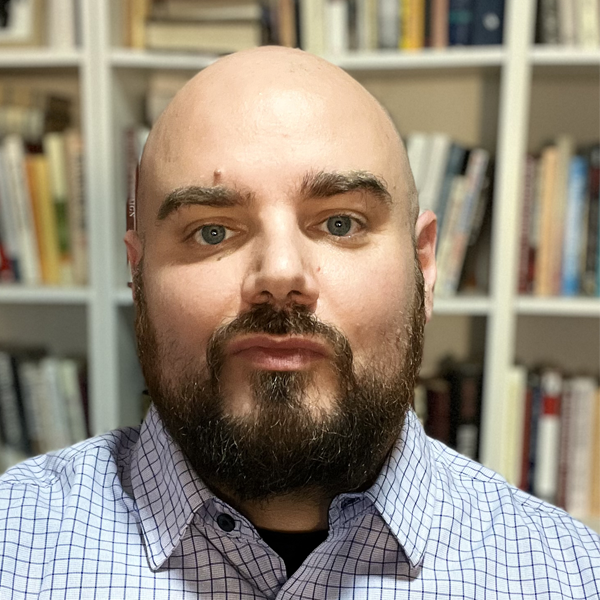
Ben Wilkins es el director del Sindicato de Trabajadores de Servicio del Sur, un sindicato intersectorial de trabajadores de servicio en Carolina del Norte, Carolina del Sur, Georgia y Alabama. Ha sido un organizador en el campo de la justicia racial y las luchas laborales durante más de 20 años en todo el sur y el medio oeste. Como organizador con un sindicato local de trabajadores de cuidado de salud en Michigan, ha dirigido campañas entre les trabajadores de hospitales y hogares de ancianos. También fue parte clave del movimiento por la Lucha por los $15, organizando trabajadores de bajos salarios en todo el sur de EE. UU. desde su hogar en Carolina del Norte. Es el editor de Anne Braden Speaks: Selected Writings and Speeches, 1947-1999 [Anne Braden habla: selección de escritos y discursos, 1947-1999].
Ben Wilkins es el director del Sindicato de Trabajadores de Servicio del Sur, un sindicato intersectorial de trabajadores de servicio en Carolina del Norte, Carolina del Sur, Georgia y Alabama. Ha sido un organizador en el campo de la justicia racial y las luchas laborales durante más de 20 años en todo el sur y el medio oeste. Como organizador con un sindicato local de trabajadores de cuidado de salud en Michigan, ha dirigido campañas entre les trabajadores de hospitales y hogares de ancianos. También fue parte clave del movimiento por la Lucha por los $15, organizando trabajadores de bajos salarios en todo el sur de EE. UU. desde su hogar en Carolina del Norte. Es el editor de Anne Braden Speaks: Selected Writings and Speeches, 1947-1999 [Anne Braden habla: selección de escritos y discursos, 1947-1999].
Calvin Allen is Vice President for Partnerships and Programs for MDC’s programmatic vision and direction while supervising MDC’s program leaders. He also cultivates and manages key state, regional, and national partnerships across the 13 southern states MDC supports. With 30 years of nonprofit experience in organizational development, philanthropy, rural community economic development, conflict management, and leadership development, Calvin holds a bachelor’s degree and a certificate in nonprofit management from Duke University, where he has also been a co-instructor at the Nicholas School of the Environment for the past 10 years for their Community Based Environmental Management practicum.
Calvin joined MDC in 2021 as Senior Program Director for the Rural Forward program. He co-founded Rural Forward in 2014 after serving three years with the Golden LEAF Foundation as a community grantmaking program officer. He also served as deputy director at the Southern Rural Development Initiative, director of the National Community Forestry Service Center at the Conservation Fund, and associate director at the Dispute Settlement Center of Orange County. He is a 1994 graduate of Leadership Durham and a 2003-2005 graduate of the William C. Friday Fellow for Human Relations through the Wildacres Leadership Initiative where he serves on the board of directors.
Calvin Allen is Vice President for Partnerships and Programs for MDC’s programmatic vision and direction while supervising MDC’s program leaders. He also cultivates and manages key state, regional, and national partnerships across the 13 southern states MDC supports. With 30 years of nonprofit experience in organizational development, philanthropy, rural community economic development, conflict management, and leadership development, Calvin holds a bachelor’s degree and a certificate in nonprofit management from Duke University, where he has also been a co-instructor at the Nicholas School of the Environment for the past 10 years for their Community Based Environmental Management practicum.
Calvin joined MDC in 2021 as Senior Program Director for the Rural Forward program. He co-founded Rural Forward in 2014 after serving three years with the Golden LEAF Foundation as a community grantmaking program officer. He also served as deputy director at the Southern Rural Development Initiative, director of the National Community Forestry Service Center at the Conservation Fund, and associate director at the Dispute Settlement Center of Orange County. He is a 1994 graduate of Leadership Durham and a 2003-2005 graduate of the William C. Friday Fellow for Human Relations through the Wildacres Leadership Initiative where he serves on the board of directors.
Melanie Barron is an organizer with the Communications Workers of America. She has been organizing with CWA for 13 years, first as a member of United Campus Workers (UCW), CWA Local 3865, a direct-join, wall-to-wall union for public higher education workers in Tennessee. She joined UCW as a member in 2012 while working at the University of Tennessee and served in a variety of member roles before joining the local staff in 2015. During her first few years as a local organizer, she was part of the team to defeat a major outsourcing push in Tennessee state government through a campaign called Tennessee is Not for Sale. This raised the profile of UCW, and in 2018, she joined CWA staff to expand the UCW model of organizing beyond Tennessee to universities across the South. Now, UCW is a mega-local with 5,000 members spanning 8 states and dozens of campuses, and there are additional UCW locals in Arizona, Colorado, and Utah.
Currently, Melanie is organizing with United Videogame Workers, a new industry-wide, direct-join union for videogame developers, and she’s supporting a variety of CWA organizing priorities in the Southeast region. She believes in the labor movement’s potential to reinvigorate civic life in the United States, and wants to support new forms of labor organization to aggressively organize as many workers as possible into our movement, regardless of the legal barriers they may face to certification and collective bargaining.
Melanie Barron is an organizer with the Communications Workers of America. She has been organizing with CWA for 13 years, first as a member of United Campus Workers (UCW), CWA Local 3865, a direct-join, wall-to-wall union for public higher education workers in Tennessee. She joined UCW as a member in 2012 while working at the University of Tennessee and served in a variety of member roles before joining the local staff in 2015. During her first few years as a local organizer, she was part of the team to defeat a major outsourcing push in Tennessee state government through a campaign called Tennessee is Not for Sale. This raised the profile of UCW, and in 2018, she joined CWA staff to expand the UCW model of organizing beyond Tennessee to universities across the South. Now, UCW is a mega-local with 5,000 members spanning 8 states and dozens of campuses, and there are additional UCW locals in Arizona, Colorado, and Utah.
Currently, Melanie is organizing with United Videogame Workers, a new industry-wide, direct-join union for videogame developers, and she’s supporting a variety of CWA organizing priorities in the Southeast region. She believes in the labor movement’s potential to reinvigorate civic life in the United States, and wants to support new forms of labor organization to aggressively organize as many workers as possible into our movement, regardless of the legal barriers they may face to certification and collective bargaining.

Kelsey Coleman is a Regional Organizer for the Southern Labor Youth Movement (SLYM), a student organization preparing young people to build political power in the South via organizing campaigns and political education. Inspired by the Black and worker power movements of the South, Kelsey helped found SLYM in February 2025 because she understood the urgent need to challenge the power of the wealthy interests that have dominated the South for so long, including the biggest employers and universities. Kelsey joined the labor movement in 2021 as a student worker at the University of Maryland College Park, fighting for a $15 minimum wage on campus with AFSCME Local 1072. She’s a DMV native and is currently based in Durham, NC.
Kelsey Coleman is a Regional Organizer for the Southern Labor Youth Movement (SLYM), a student organization preparing young people to build political power in the South via organizing campaigns and political education. Inspired by the Black and worker power movements of the South, Kelsey helped found SLYM in February 2025 because she understood the urgent need to challenge the power of the wealthy interests that have dominated the South for so long, including the biggest employers and universities. Kelsey joined the labor movement in 2021 as a student worker at the University of Maryland College Park, fighting for a $15 minimum wage on campus with AFSCME Local 1072. She’s a DMV native and is currently based in Durham, NC.
Ajamu Dillahunt-Holloway is an Assistant Professor of African American History and Public History at NC State University. His research is on twentieth century African American history with a focus on the U.S. South, labor, environmental justice, and the Black Freedom Struggle. Dillahunt-Holloway’s research and commitment to making the world a better place has allowed him to travel to South Africa, Cuba, Palestine, and Senegal.
At present, he is a board member of the Interreligious Foundation of Community Organizations (IFCO), the North Carolina Environmental Justice Network (NCEJN), and Democracy North Carolina. Dillahunt-Holloway is also part of the City of Raleigh’s Historic Resources and Museums Advisory Board, and the North Carolina Highway Historical Marker Advisory Committee. At present, Dillahunt-Holloway is at work on a book tentatively titled The South Will Never Be the Same: The History of Black Workers for Justice, Black Liberation, and Southern Labor. Dillahunt-Holloway earned his Ph.D. in History from Michigan State University in 2023. He holds a B.A. in History and a B.A. in Political Science from North Carolina Central University.
Ajamu Dillahunt-Holloway is an Assistant Professor of African American History and Public History at NC State University. His research is on twentieth century African American history with a focus on the U.S. South, labor, environmental justice, and the Black Freedom Struggle. Dillahunt-Holloway’s research and commitment to making the world a better place has allowed him to travel to South Africa, Cuba, Palestine, and Senegal.
At present, he is a board member of the Interreligious Foundation of Community Organizations (IFCO), the North Carolina Environmental Justice Network (NCEJN), and Democracy North Carolina. Dillahunt-Holloway is also part of the City of Raleigh’s Historic Resources and Museums Advisory Board, and the North Carolina Highway Historical Marker Advisory Committee. At present, Dillahunt-Holloway is at work on a book tentatively titled The South Will Never Be the Same: The History of Black Workers for Justice, Black Liberation, and Southern Labor. Dillahunt-Holloway earned his Ph.D. in History from Michigan State University in 2023. He holds a B.A. in History and a B.A. in Political Science from North Carolina Central University.
Angeline Echeverría is the Director of Affiliate Sustainability for the National Domestic Workers Alliance (NDWA), coordinating capacity-building and organizational development for support for dozens of independent domestic worker organizations in cities across the country. Angeline is a passionate advocate for immigrant and worker rights, reproductive justice, and intergenerational organizing. Prior to joining NDWA, Angeline provided member recruitment, retention, and support for the NC Counts Coalition; served as the executive director for El Pueblo; and served in different capacities for women’s and immigrant workers’ organizing in the southeast and beyond.
Angeline credits Durham-based Student Action with Farmworkers for starting them on the path to social justice work through an undergraduate internship program they participated in while earning a BA in Latin American Studies from the University of South Carolina-Columbia. Angeline’s roots are in Cuba, upstate New York, and South Carolina and they have lived in Raleigh since 2012. Outside of work, Angeline enjoys Zumba, soccer, and spending time outdoors.
Angeline Echeverría is the Director of Affiliate Sustainability for the National Domestic Workers Alliance (NDWA), coordinating capacity-building and organizational development for support for dozens of independent domestic worker organizations in cities across the country. Angeline is a passionate advocate for immigrant and worker rights, reproductive justice, and intergenerational organizing. Prior to joining NDWA, Angeline provided member recruitment, retention, and support for the NC Counts Coalition; served as the executive director for El Pueblo; and served in different capacities for women’s and immigrant workers’ organizing in the southeast and beyond.
Angeline credits Durham-based Student Action with Farmworkers for starting them on the path to social justice work through an undergraduate internship program they participated in while earning a BA in Latin American Studies from the University of South Carolina-Columbia. Angeline’s roots are in Cuba, upstate New York, and South Carolina and they have lived in Raleigh since 2012. Outside of work, Angeline enjoys Zumba, soccer, and spending time outdoors.
Raúl Gámez recently earned his Ph.D. in higher education from the Center for the Study of Higher and Postsecondary Education at the University of Michigan, Ann Arbor. Raúl’s research focuses on understanding the role of diversity, equity, and inclusion work in higher education as a mechanism for achieving racial equity. He earned an MA in Higher Education Administration from the University of Michigan and a BA in Theatre Arts and Translation and Interpretation Studies from California State University, Long Beach. Before enrolling in graduate school, Raúl worked as the Migrant Youth Director with Student Action with Farmworkers working with migrant and immigrant youth in North Carolina. Raúl utilized theatre, art, and popular education as tools for leadership development with migrant youth and their family. He also coordinated the Adelante Education Coalition, a statewide coalition in North Carolina focused on increasing access to education for Latino and immigrant students and their families.
Raúl Gámez recently earned his Ph.D. in higher education from the Center for the Study of Higher and Postsecondary Education at the University of Michigan, Ann Arbor. Raúl’s research focuses on understanding the role of diversity, equity, and inclusion work in higher education as a mechanism for achieving racial equity. He earned an MA in Higher Education Administration from the University of Michigan and a BA in Theatre Arts and Translation and Interpretation Studies from California State University, Long Beach. Before enrolling in graduate school, Raúl worked as the Migrant Youth Director with Student Action with Farmworkers working with migrant and immigrant youth in North Carolina. Raúl utilized theatre, art, and popular education as tools for leadership development with migrant youth and their family. He also coordinated the Adelante Education Coalition, a statewide coalition in North Carolina focused on increasing access to education for Latino and immigrant students and their families.
Robert Korstad is Emeritus Professor of Public Policy and History at Duke University. He received his B.A. and PhD from the University of North Carolina at Chapel Hill. His research interests include twentieth century U. S. history, labor history, African American history, and contemporary social policy.
His publications include: Fragile Democracy: The Struggle Over Race and Voting Rights in North Carolina (coauthor, University of North Carolina Press, 2020); To Right These Wrongs: The North Carolina Fund and the Battle to End Poverty and Inequality in 1960s America (coauthor, University of North Carolina Press, 2010); Civil Rights Unionism: Tobacco Workers and the Struggle for Democracy in the Mid-Twentieth-Century South (University of North Carolina Press, 2003); Remembering Jim Crow: African Americans Talk About Life in the Segregated South (coeditor, The New Press, 2001); Like a Family: The Making of a Southern Cotton Mill World (coauthor, University of North Carolina Press, revised edition, 2000).
Robert Korstad is Emeritus Professor of Public Policy and History at Duke University. He received his B.A. and PhD from the University of North Carolina at Chapel Hill. His research interests include twentieth century U. S. history, labor history, African American history, and contemporary social policy.
His publications include: Fragile Democracy: The Struggle Over Race and Voting Rights in North Carolina (coauthor, University of North Carolina Press, 2020); To Right These Wrongs: The North Carolina Fund and the Battle to End Poverty and Inequality in 1960s America (coauthor, University of North Carolina Press, 2010); Civil Rights Unionism: Tobacco Workers and the Struggle for Democracy in the Mid-Twentieth-Century South (University of North Carolina Press, 2003); Remembering Jim Crow: African Americans Talk About Life in the Segregated South (coeditor, The New Press, 2001); Like a Family: The Making of a Southern Cotton Mill World (coauthor, University of North Carolina Press, revised edition, 2000).
Chris Kromm is executive director of the Institute for Southern Studies, a nonprofit media, research, and education center founded by civil rights veterans based in Durham, N.C. Chris also serves as publisher of Facing South, the Institute’s online magazine. Chris is the author or co-author of more than 70 Institute reports on Southern issues and trends including labor, democracy, politics, and demographic change, and has appeared on more than 300 local, state, and national broadcast outlets including CNN, C-SPAN, MSNBC, NPR, and XM Radio. Chris was a founding board member of N.C. Asian Americans Together and Progress North Carolina.
Under Chris’ leadership, the Institute has been recognized with several prestigious honors and awards, including the George Polk Award for Magazine Reporting, a North Carolina Justice Center Defenders of Justice Award for Policy Research and Advocacy, a Harry Chapin Media Award for coverage of poverty issues, an Investigative Reporting award from the North Carolina Press Association, and honors from the National Press Club, Society of Professional Journalists, and the White House Correspondents’ Association.
Chris Kromm is executive director of the Institute for Southern Studies, a nonprofit media, research, and education center founded by civil rights veterans based in Durham, N.C. Chris also serves as publisher of Facing South, the Institute’s online magazine. Chris is the author or co-author of more than 70 Institute reports on Southern issues and trends including labor, democracy, politics, and demographic change, and has appeared on more than 300 local, state, and national broadcast outlets including CNN, C-SPAN, MSNBC, NPR, and XM Radio. Chris was a founding board member of N.C. Asian Americans Together and Progress North Carolina.
Under Chris’ leadership, the Institute has been recognized with several prestigious honors and awards, including the George Polk Award for Magazine Reporting, a North Carolina Justice Center Defenders of Justice Award for Policy Research and Advocacy, a Harry Chapin Media Award for coverage of poverty issues, an Investigative Reporting award from the North Carolina Press Association, and honors from the National Press Club, Society of Professional Journalists, and the White House Correspondents’ Association.
Steve Lownes is an Associate Professor of World Languages at the University of South Carolina-Union where he teaches Spanish, Portuguese, Latin American Studies, Comparative Literature, South Carolina Studies and courses with a heavy emphasis on internships and service-learning.
Formerly, he was the Assistant Director of the Latin American and Caribbean Studies Institute at the University of Georgia, administering $1.9 million for the Federal Department of Education’s Title VI National Resource Center and Foreign Language and Area Studies grants. He has lived, conducted research, and worked in Spain, Argentina, and Brazil. He is an American Translators Associate (ATA) certified translator. Lownes earned his PhD in Spanish and Portuguese from the Ohio State University in 2018, MA in Public Policy and Management in 2013, also from the Ohio State University, and a B.A. (2005) and MA (2007) in Spanish from the University of South Carolina. He lives with his wife and three children in South Carolina.
Steve Lownes is an Associate Professor of World Languages at the University of South Carolina-Union where he teaches Spanish, Portuguese, Latin American Studies, Comparative Literature, South Carolina Studies and courses with a heavy emphasis on internships and service-learning.
Formerly, he was the Assistant Director of the Latin American and Caribbean Studies Institute at the University of Georgia, administering $1.9 million for the Federal Department of Education’s Title VI National Resource Center and Foreign Language and Area Studies grants. He has lived, conducted research, and worked in Spain, Argentina, and Brazil. He is an American Translators Associate (ATA) certified translator. Lownes earned his PhD in Spanish and Portuguese from the Ohio State University in 2018, MA in Public Policy and Management in 2013, also from the Ohio State University, and a B.A. (2005) and MA (2007) in Spanish from the University of South Carolina. He lives with his wife and three children in South Carolina.
Charles W. McKinney, Jr. is Professor of History at Rhodes College in Memphis, Tennessee. His areas of interest include the civil rights movement, the confluence of Black Power and civil rights ideology, and the creation of social change institutions in poor, working class communities. He is the author of Greater Freedom: The Evolution of the Civil Rights Struggle in Wilson, North Carolina, and the co-editor of An Unseen Light: The Black Struggle for Freedom in Memphis, and From Rights to Lives: The Evolution of the Black Freedom Struggle. His writing and commentary have appeared in newspapers and information venues across the country, including the Memphis Commercial Appeal, USA Today, Wall Street Journal, Black Perspectives, The History Channel, Vanity Fair, and MLK50: Justice Through Journalism. He has provided commentary on radio programs across the country and news outlets in the United Kingdom, Europe, China and Australia, and has appeared on CNN.
McKinney earned his B.A. with honors in History and English from Morehouse College in 1989, and his Ph.D. in History from Duke University, following in the footsteps of his Morehouse Mentor, Dr Marcellus Barksdale. While at Duke, he won the Samuel DuBois Cook Student Service Award and worked with a host of social justice organizations, including North Carolina Public Allies, The Institute for Southern Studies, the Fund for Southern Communities, and the Z. Smith Reynolds Foundation. In Memphis, McKinney serves as Chair of the Steering Committee for Memphis For All, a progressive voter advocacy organization. Since 2016, he has spent summers helping teachers across the nation to craft K-12 civil rights curriculum. Over the years, he has conducted trainings and workshops on movement building and grass-roots activism for union members and organizers in California, Tennessee, Mississippi and Louisiana. He is the father of three children and married to Natalie McKinney.
Charles W. McKinney, Jr. is Professor of History at Rhodes College in Memphis, Tennessee. His areas of interest include the civil rights movement, the confluence of Black Power and civil rights ideology, and the creation of social change institutions in poor, working class communities. He is the author of Greater Freedom: The Evolution of the Civil Rights Struggle in Wilson, North Carolina, and the co-editor of An Unseen Light: The Black Struggle for Freedom in Memphis, and From Rights to Lives: The Evolution of the Black Freedom Struggle. His writing and commentary have appeared in newspapers and information venues across the country, including the Memphis Commercial Appeal, USA Today, Wall Street Journal, Black Perspectives, The History Channel, Vanity Fair, and MLK50: Justice Through Journalism. He has provided commentary on radio programs across the country and news outlets in the United Kingdom, Europe, China and Australia, and has appeared on CNN.
McKinney earned his B.A. with honors in History and English from Morehouse College in 1989, and his Ph.D. in History from Duke University, following in the footsteps of his Morehouse Mentor, Dr Marcellus Barksdale. While at Duke, he won the Samuel DuBois Cook Student Service Award and worked with a host of social justice organizations, including North Carolina Public Allies, The Institute for Southern Studies, the Fund for Southern Communities, and the Z. Smith Reynolds Foundation. In Memphis, McKinney serves as Chair of the Steering Committee for Memphis For All, a progressive voter advocacy organization. Since 2016, he has spent summers helping teachers across the nation to craft K-12 civil rights curriculum. Over the years, he has conducted trainings and workshops on movement building and grass-roots activism for union members and organizers in California, Tennessee, Mississippi and Louisiana. He is the father of three children and married to Natalie McKinney.
David Neal is an attorney with the Southern Environmental Law Center in Chapel Hill, where he focuses on clean energy policy and environmental justice. Prior to joining SELC, he had a career in indigent criminal defense work. David is the co-founder and former executive director of the Fair Trial Initiative, a non-profit that worked to improve the quality of representation received by people facing the death penalty. David serves on the boards of the Z. Smith Reynolds Foundation and Repairers of the Breach. He has previously served on the boards of the Orange County Commission for the Environment, Common Sense Foundation, NC Conservation Network, and the Proteus Fund. He completed his undergraduate degree at Oberlin College and law degree at UNC School of Law in Chapel Hill. Before law school, David worked as a Peace Corps volunteer in Turkmenistan.
David Neal is an attorney with the Southern Environmental Law Center in Chapel Hill, where he focuses on clean energy policy and environmental justice. Prior to joining SELC, he had a career in indigent criminal defense work. David is the co-founder and former executive director of the Fair Trial Initiative, a non-profit that worked to improve the quality of representation received by people facing the death penalty. David serves on the boards of the Z. Smith Reynolds Foundation and Repairers of the Breach. He has previously served on the boards of the Orange County Commission for the Environment, Common Sense Foundation, NC Conservation Network, and the Proteus Fund. He completed his undergraduate degree at Oberlin College and law degree at UNC School of Law in Chapel Hill. Before law school, David worked as a Peace Corps volunteer in Turkmenistan.
Paul Ortiz is a first generation university student and a third-generation US military veteran. His work in the labor movement began with the United Farm Workers of Washington State’s 8-year boycott of Chateau Ste. Michelle wines that resulted in a union contract in 1995 that is still in force. With his wife Sheila Payne, Paul has worked in support of struggles including the Farm Labor Organizing Committee’s Mt. Olive Pickle Boycott, the Coalition of Immokalee Workers’ Fair Food Campaign, Fight for $15, Black Lives Matter, and El Gran Paro Estadounidense on International Workers’ Day, 2006, the largest General Strike in the History of the Americas. Paul pursued his history graduate studies at Duke University in the 1990s. During this period he served on the board of Student Action with Farmworkers, the Institute for Southern Studies, the North Carolina Farmworkers’ Project and other organizations. Paul has been a university instructor since 2001 beginning with his tenure as an assistant professor of Community Studies at the University of California, Santa Cruz. Between 2008 and 2024, Paul was director of the Samuel Proctor Oral History Program and a history professor at the University of Florida. He is currently a Professor of Labor History at the ILR School at Cornell University.
Paul is a former AFL-CIO local union president, and a current member of the American Association of University Professors/American Federation of Teachers. He has served as faculty advisor to activist student organizations like the Students for a Democratic Society, YDSA, MEChA, PorColombia, the Venezuelan Student Association, Chispas, Students for Bernie, Student Farmworker Alliance, and many others.
Paul is the author of An African American and Latinx History of the United States and Emancipation Betrayed: The Hidden History of Black Organizing and White Violence in Florida. In addition to offering courses on African American, Latinx, oral history and social movement history, he has led hundreds of labor and working class history workshops and seminars with unions, community groups, apprenticeship programs, and other organizations. He is currently working on a book under contract with Beacon Press titled, A Social Movement History of the United States.
Paul Ortiz is a first generation university student and a third-generation US military veteran. His work in the labor movement began with the United Farm Workers of Washington State’s 8-year boycott of Chateau Ste. Michelle wines that resulted in a union contract in 1995 that is still in force. With his wife Sheila Payne, Paul has worked in support of struggles including the Farm Labor Organizing Committee’s Mt. Olive Pickle Boycott, the Coalition of Immokalee Workers’ Fair Food Campaign, Fight for $15, Black Lives Matter, and El Gran Paro Estadounidense on International Workers’ Day, 2006, the largest General Strike in the History of the Americas. Paul pursued his history graduate studies at Duke University in the 1990s. During this period he served on the board of Student Action with Farmworkers, the Institute for Southern Studies, the North Carolina Farmworkers’ Project and other organizations. Paul has been a university instructor since 2001 beginning with his tenure as an assistant professor of Community Studies at the University of California, Santa Cruz. Between 2008 and 2024, Paul was director of the Samuel Proctor Oral History Program and a history professor at the University of Florida. He is currently a Professor of Labor History at the ILR School at Cornell University.
Paul is a former AFL-CIO local union president, and a current member of the American Association of University Professors/American Federation of Teachers. He has served as faculty advisor to activist student organizations like the Students for a Democratic Society, YDSA, MEChA, PorColombia, the Venezuelan Student Association, Chispas, Students for Bernie, Student Farmworker Alliance, and many others.
Paul is the author of An African American and Latinx History of the United States and Emancipation Betrayed: The Hidden History of Black Organizing and White Violence in Florida. In addition to offering courses on African American, Latinx, oral history and social movement history, he has led hundreds of labor and working class history workshops and seminars with unions, community groups, apprenticeship programs, and other organizations. He is currently working on a book under contract with Beacon Press titled, A Social Movement History of the United States.
Yadira Paz-Martinez is originally from Clinton, North Carolina and is the proud daughter of Mexican immigrants who work as blue-collar laborers and farmworkers. She pursued a degree in Public Policy at Duke University, with a minor in History and a Certificate in Human Rights. As a first-generation, Yadira served as the Vice President for Equity and Outreach in Duke Student Government and as the co-president of Duke Beyond Borders. Committed to farmworker justice, she was an Into the Fields intern with Student Action with Farmworkers. In the summer of 2023, she worked in the U.S. House of Representatives through the Congressional Hispanic Caucus Institute (CHCI), serving in the office of Colorado Representative Yadira Caraveo. Most recently, she worked at the Mexican American Legal Defense and Educational Fund (MALDEF) on civil rights litigation and with the Kamala Harris campaign on outreach efforts.
Yadira was also a Mellon Mays Undergraduate Fellow, conducting research on the socialization of farmworkers in rural North Carolina and the impact of geopolitical forces on their lived experiences. She completed her thesis with distinction, titled “The Undocumented Republican Latino Vote.” A 2024 Truman Scholar, Yadira aspires to pursue a JD to advance labor rights for farmworkers and low-wage workers across the United States.
Yadira Paz-Martinez is originally from Clinton, North Carolina and is the proud daughter of Mexican immigrants who work as blue-collar laborers and farmworkers. She pursued a degree in Public Policy at Duke University, with a minor in History and a Certificate in Human Rights. As a first-generation, Yadira served as the Vice President for Equity and Outreach in Duke Student Government and as the co-president of Duke Beyond Borders. Committed to farmworker justice, she was an Into the Fields intern with Student Action with Farmworkers. In the summer of 2023, she worked in the U.S. House of Representatives through the Congressional Hispanic Caucus Institute (CHCI), serving in the office of Colorado Representative Yadira Caraveo. Most recently, she worked at the Mexican American Legal Defense and Educational Fund (MALDEF) on civil rights litigation and with the Kamala Harris campaign on outreach efforts.
Yadira was also a Mellon Mays Undergraduate Fellow, conducting research on the socialization of farmworkers in rural North Carolina and the impact of geopolitical forces on their lived experiences. She completed her thesis with distinction, titled “The Undocumented Republican Latino Vote.” A 2024 Truman Scholar, Yadira aspires to pursue a JD to advance labor rights for farmworkers and low-wage workers across the United States.
Maria T. Perry is an attorney with experience handling a wide range of legal matters. She particularly enjoys working on civil rights and constitutional law cases. She was one of the attorneys who represented arrested protestors in connection with NC’s first Moral Monday protests of 2013. For over a decade, Maria has also vetted several legal cases for amicus assistance on appeal, and has authored or co-authored briefs in support of various civil and constitutional rights issues. Maria has served as a board member and committee member for multiple organizations in the past, and has a passion for advocating for justice. Having been born to parents who were low wage earners, one of whom picked cotton and harvested tobacco in the 1960s, Maria is particularly passionate about labor rights. She is the author of the soon to be published narrative, “A Luta Continua: The Larry Little Story and the Winston-Salem Black Panther Party,” which chronicles the life of the leader of the first Southern chapter of the Black Panther Party.
Maria T. Perry is an attorney with experience handling a wide range of legal matters. She particularly enjoys working on civil rights and constitutional law cases. She was one of the attorneys who represented arrested protestors in connection with NC’s first Moral Monday protests of 2013. For over a decade, Maria has also vetted several legal cases for amicus assistance on appeal, and has authored or co-authored briefs in support of various civil and constitutional rights issues. Maria has served as a board member and committee member for multiple organizations in the past, and has a passion for advocating for justice. Having been born to parents who were low wage earners, one of whom picked cotton and harvested tobacco in the 1960s, Maria is particularly passionate about labor rights. She is the author of the soon to be published narrative, “A Luta Continua: The Larry Little Story and the Winston-Salem Black Panther Party,” which chronicles the life of the leader of the first Southern chapter of the Black Panther Party.
Melanie Stratton Lopez is a Senior Attorney for Strategic Enforcement at the Workplace Justice Lab at Northwestern University, where she advises state and local governments on labor law implementation, contributes to national coalitions shaping federal labor enforcement policy, and conducts academic research on workers’ rights. Previously, she served as a Senior Trial Attorney at the U.S. Department of Labor, where she led enforcement litigation under the Occupational Safety and Health Act (OSHA), the Fair Labor Standards Act (FLSA), the Employee Retirement Income Security Act (ERISA), and whistleblower provisions of various federal statutes. Her work included securing an eight-figure settlement in a corporate-wide agreement against a major retailer, developing novel enforcement strategies to address workplace hazards like heat illness, and providing strategic counsel in investigations of systemic labor abuses, such as securing back wages for Black farmworkers in the Mississippi Delta. She was the Co-Editor-in-Chief of Bloomberg Law’s Fifth Edition of the Occupational Safety and Health Law Treatise and is a frequent speaker on labor and employment law issues. Melanie is admitted to the North Carolina bar and received her undergraduate and law degrees from the University of North Carolina. Melanie attributes her career as an employment attorney advocating for low-wage workers to her grandparents—who were migrant farmworkers from South Texas—and to her bicultural upbringing in Texas and rural North Carolina.
Melanie Stratton Lopez is a Senior Attorney for Strategic Enforcement at the Workplace Justice Lab at Northwestern University, where she advises state and local governments on labor law implementation, contributes to national coalitions shaping federal labor enforcement policy, and conducts academic research on workers’ rights. Previously, she served as a Senior Trial Attorney at the U.S. Department of Labor, where she led enforcement litigation under the Occupational Safety and Health Act (OSHA), the Fair Labor Standards Act (FLSA), the Employee Retirement Income Security Act (ERISA), and whistleblower provisions of various federal statutes. Her work included securing an eight-figure settlement in a corporate-wide agreement against a major retailer, developing novel enforcement strategies to address workplace hazards like heat illness, and providing strategic counsel in investigations of systemic labor abuses, such as securing back wages for Black farmworkers in the Mississippi Delta. She was the Co-Editor-in-Chief of Bloomberg Law’s Fifth Edition of the Occupational Safety and Health Law Treatise and is a frequent speaker on labor and employment law issues. Melanie is admitted to the North Carolina bar and received her undergraduate and law degrees from the University of North Carolina. Melanie attributes her career as an employment attorney advocating for low-wage workers to her grandparents—who were migrant farmworkers from South Texas—and to her bicultural upbringing in Texas and rural North Carolina.
Lekha Shupeck is the Institute for Southern Studies’ director of programs, working in collaboration with the executive director to oversee the Institute’s media, research, and outreach initiatives, as well as assist with foundation and institutional fundraising. Prior to joining the Institute, Lekha was state outreach director for Documented, an investigative watchdog and journalism organization. She was previously North Carolina Director of All on the Line, a group promoting redistricting reform, and statewide campaigns manager for the ACLU of North Carolina. She holds a Ph.D. in history from UNC-Chapel Hill and a J.D. from Duke University School of Law.
Lekha Shupeck is the Institute for Southern Studies’ director of programs, working in collaboration with the executive director to oversee the Institute’s media, research, and outreach initiatives, as well as assist with foundation and institutional fundraising. Prior to joining the Institute, Lekha was state outreach director for Documented, an investigative watchdog and journalism organization. She was previously North Carolina Director of All on the Line, a group promoting redistricting reform, and statewide campaigns manager for the ACLU of North Carolina. She holds a Ph.D. in history from UNC-Chapel Hill and a J.D. from Duke University School of Law.
Ben Wilkins is the director of the Union of Southern Service Workers, a cross-sector union of service workers in North Carolina, South Carolina, Georgia and Alabama. He has been an organizer in racial justice and labor struggles for over 20 years across the south and midwest. As an organizer with a healthcare workers union local in Michigan, he led campaigns among hospital and nursing home workers. He was also a key part of the Fight for $15 movement, organizing low wage workers across the U.S. South from his home base in North Carolina. He is the editor of Anne Braden Speaks: Selected Writings and Speeches, 1947-1999.
Ben Wilkins is the director of the Union of Southern Service Workers, a cross-sector union of service workers in North Carolina, South Carolina, Georgia and Alabama. He has been an organizer in racial justice and labor struggles for over 20 years across the south and midwest. As an organizer with a healthcare workers union local in Michigan, he led campaigns among hospital and nursing home workers. He was also a key part of the Fight for $15 movement, organizing low wage workers across the U.S. South from his home base in North Carolina. He is the editor of Anne Braden Speaks: Selected Writings and Speeches, 1947-1999.

Marie Martín
Editor-in-chief

Elizabeth Linden
Style Editor

Janet Smith
Fashion Editor